

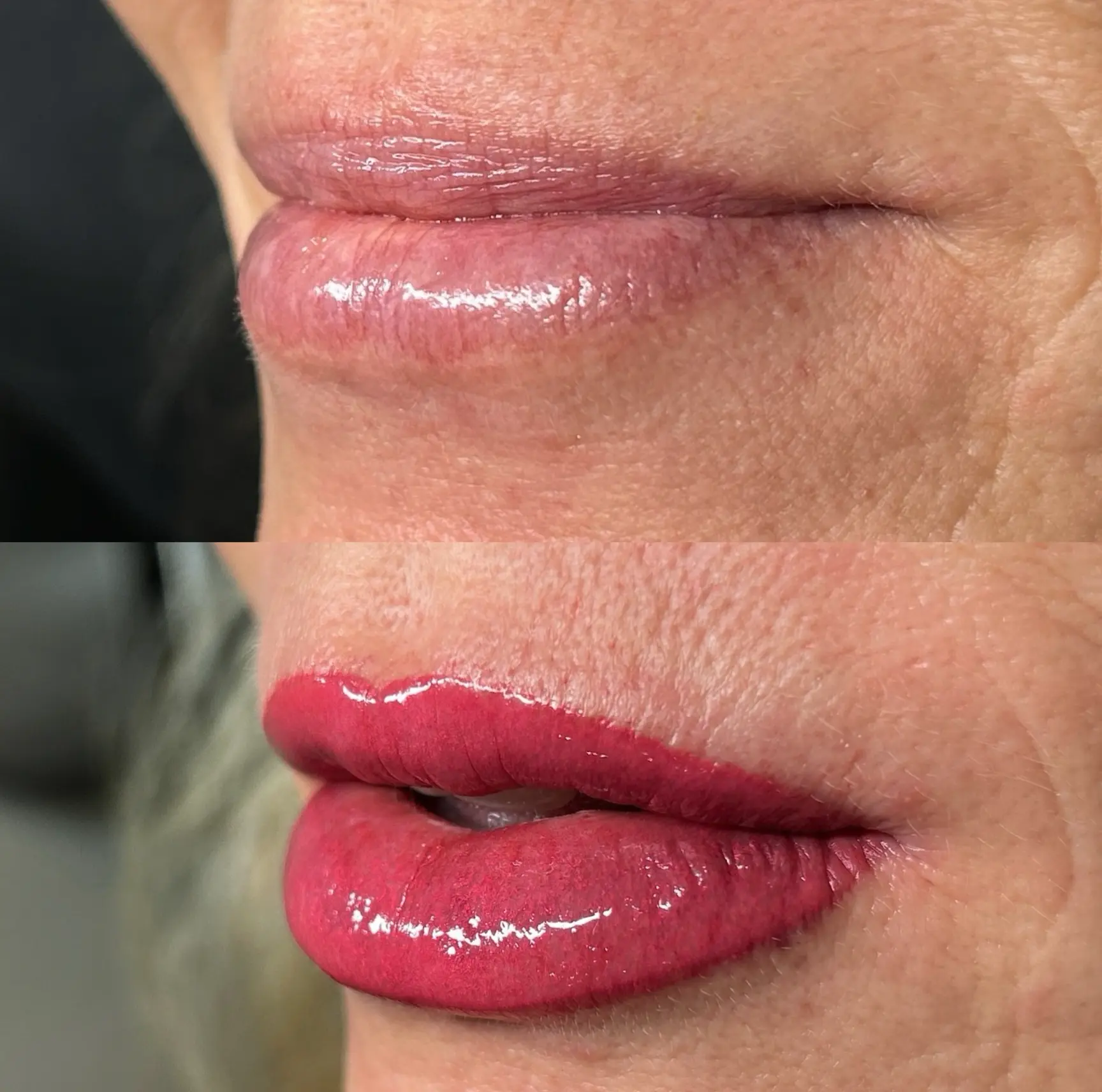
If you’ve ever had to reapply your eyeliner in the car, redraw your brows in a bathroom stall, or touch up lip liner between sips of coffee, cosmetic tattooing might feel like a game-changer. But before you dive in, one of the most common and sensible questions is: How long does cosmetic tattooing last?
Short answer? It depends. Long answer? Let’s break it down properly so you know what you’re signing up for, how to care for it, and whether it’s the right choice for your skin, lifestyle, and goals.
At Cosmetic Tattoo Studio Face Figurati, we see a wide range of results depending on the area treated, pigment used, and skin type. From natural brow enhancements to bold lip colour, the fading timeline isn’t one-size-fits-all, but we’ll help you understand exactly what to expect.
Contents
What Cosmetic Tattooing Is?
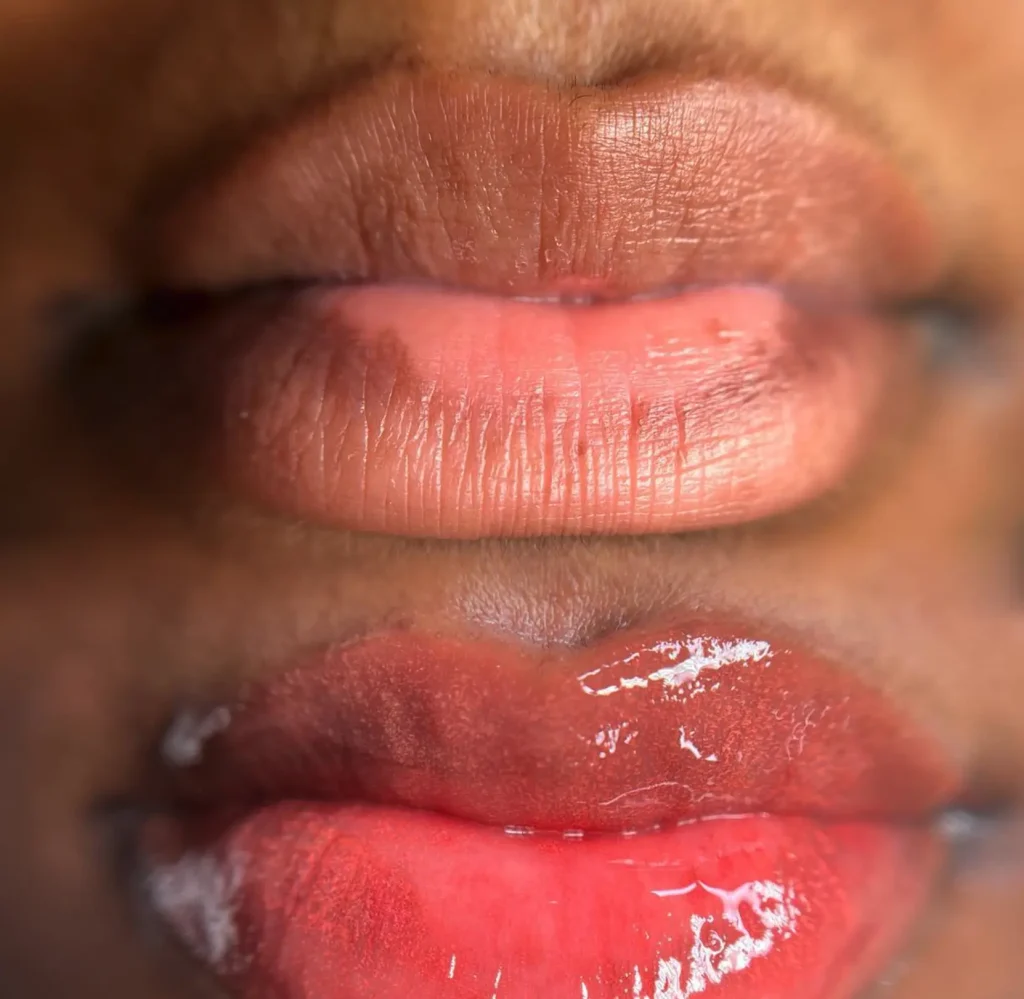
Cosmetic tattooing (also known as permanent makeup or micropigmentation) involves implanting pigment into the upper layers of the skin to mimic the look of makeup. We’re talking brow tattoos (like feather-touch or ombre brows), lip blush, eyeliner tattoos, and even freckles.
Unlike traditional body tattoos, cosmetic tattoos are semi-permanent. That’s because the pigment is placed more superficially in the skin, and the formulas used are designed to fade naturally over time. That’s not a flaw — it’s intentional. Skin ages, trends shift, and our features change. You don’t want to be stuck with a rigid shape or colour forever. The fading process also reduces the long-term risk of pigment migration, colour change, and interference with future cosmetic procedures.
In Melbourne, cosmetic tattooing is booming, with more clients choosing soft, natural results from a highly experienced cosmetic tattooist rather than dramatic, permanent designs.
Real Reasons Cosmetic Tattoos Fade
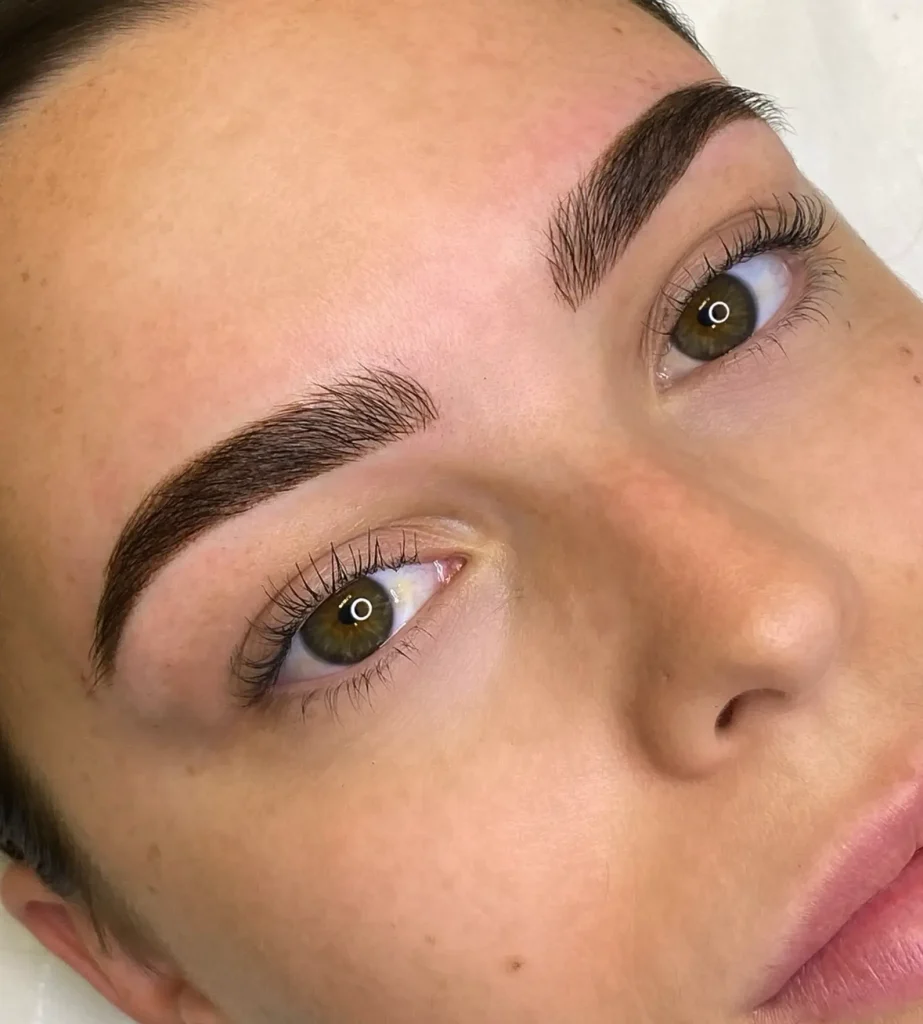
Different techniques, colours, and placements will fade at different rates. Here’s a ballpark guide to how long you can expect various cosmetic tattoos to last:
| Treatment Type | Typical Longevity | Notes |
|---|---|---|
| Feather-touch Brows | 12–18 months | Fades faster on oily skin or acne-prone areas |
| Powder/Ombre Brows | 18–30 months | Softer fade, suitable for dry skin or mature clients |
| Combo Brows | 18–24 months | Includes hair-like strokes; fade depends on stroke areas |
| Eyeliner Tattoo | 2–5 years | Eyeliner semi-permanent makeup can last longer on drier lids |
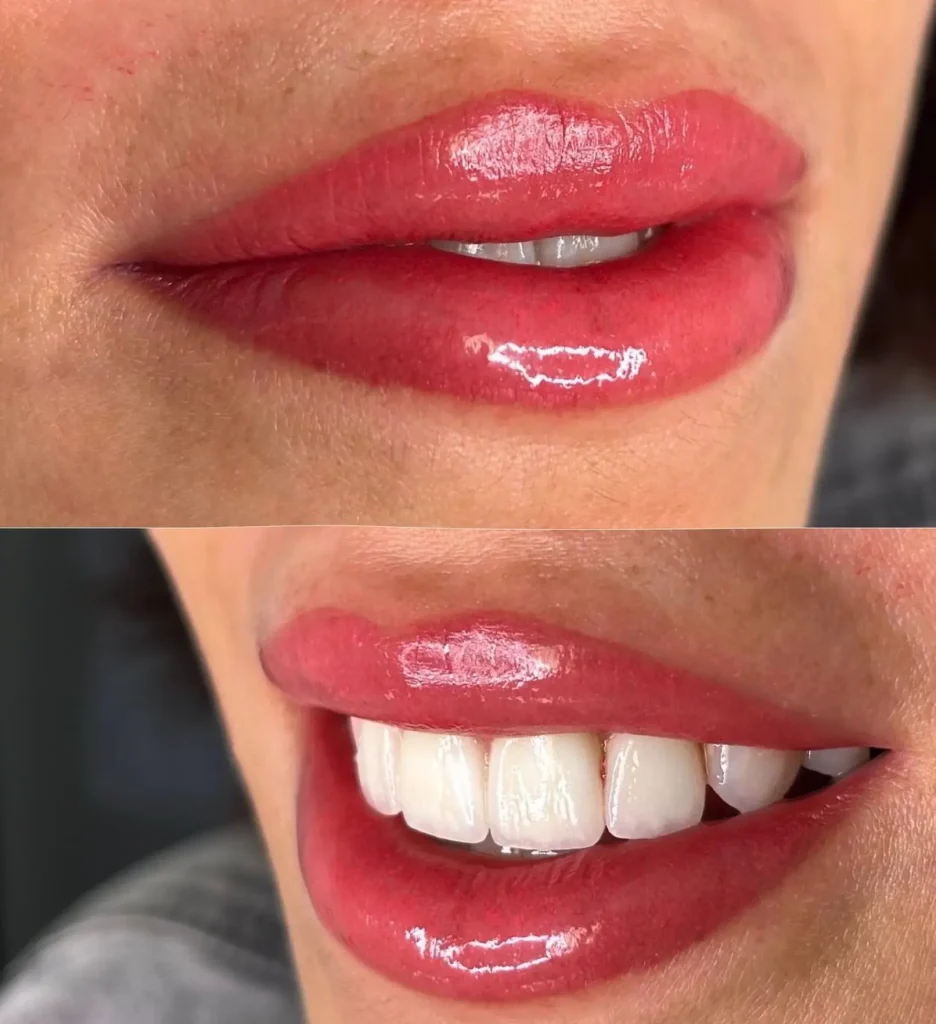
| Lip Blush | 2–3 years | Affected by lip treatments, sun exposure, and hot drinks |
| Freckle Tattoos | 6–12 months | Designed to fade; may require monthly refresh or additional touch-ups |
Your results will depend on factors like skin type, lifestyle habits, and how well you follow aftercare instructions.
Fading Factors
1. Skin Type
- Oily skin: Speeds up pigment breakdown and shortens longevity, especially with eyebrow tattooing or eyeliner procedures
- Dry skin: Holds pigment better and fades more predictably
- Sensitive skin or combination skin: May experience irritation or uneven fading
2. Sun Exposure
- Direct sunlight and environmental exposure break down tattoo pigment faster
- Always use a broad-spectrum sunscreen, especially post-tattooing
3. Skincare Products and Active Ingredients
- Glycolic acid, salicylic acid, and retinols near tattoo sites can lead to faster fading
- Avoid harsh skincare routines during the healing period
4. Health & Medical Conditions
- Blood thinners, iron deficiencies, and autoimmune conditions can interfere with pigment retention
- Discuss pre-existing skin conditions or medical procedures before your cosmetic tattoo appointment
5. Lifestyle Factors
- Active lifestyle, hot water exposure, facial treatments, or excessive sweating can reduce tattoo lifespan
- Spicy foods and hot drinks may affect lip tattoo retention
6. Pigment & Artist Quality
- High-quality pigments from reputable artists last longer and fade naturally
- Proper care from a trained cosmetic tattooist or cosmetic tattoo artist is essential to avoid complications like infections or loss of pigment
Healing Timeline: Day 1 to Year 1
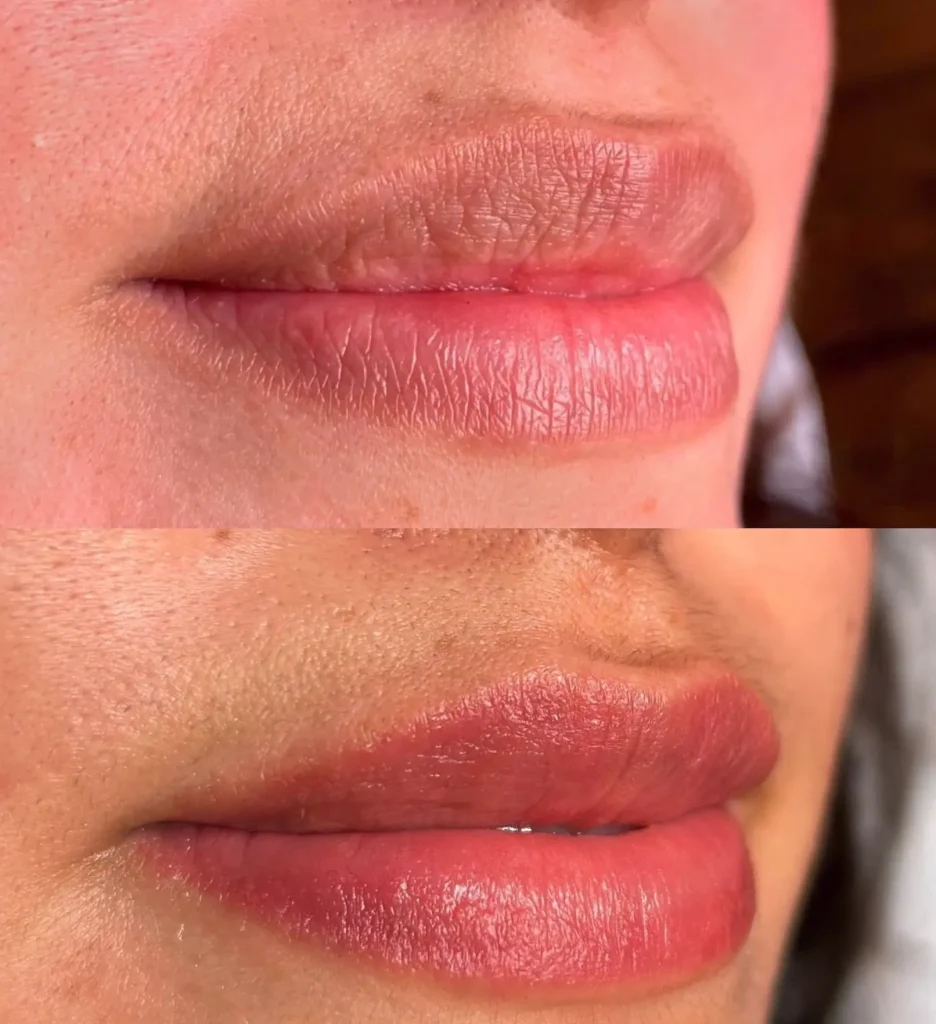
The healing process depends on the type of cosmetic tattooing procedure, your skin type, and aftercare. Here’s the general timeline:
Days 1–7:
- Expect minimal swelling or a bit of swelling
- The area will scab and appear darker; apply healing ointment or aftercare cream as advised
- Avoid direct water, makeup, or abrasive soaps
Days 7–14:
- Flaking and fading begin
- Colour may appear lighter due to natural skin cell turnover
Weeks 4–6:
- Book your follow-up appointment or touch-up session
- We reassess brow shape, eyeliner enhancement, or lip colour
Months 6–12:
- Depending on lifestyle choices and proper aftercare, fading may begin
1–3 Years:
- Cosmetic tattoo pigment gradually fades; most require regular touch-ups or colour boosts by this point
2025 Trend Watch: What Clients Are Choosing Now
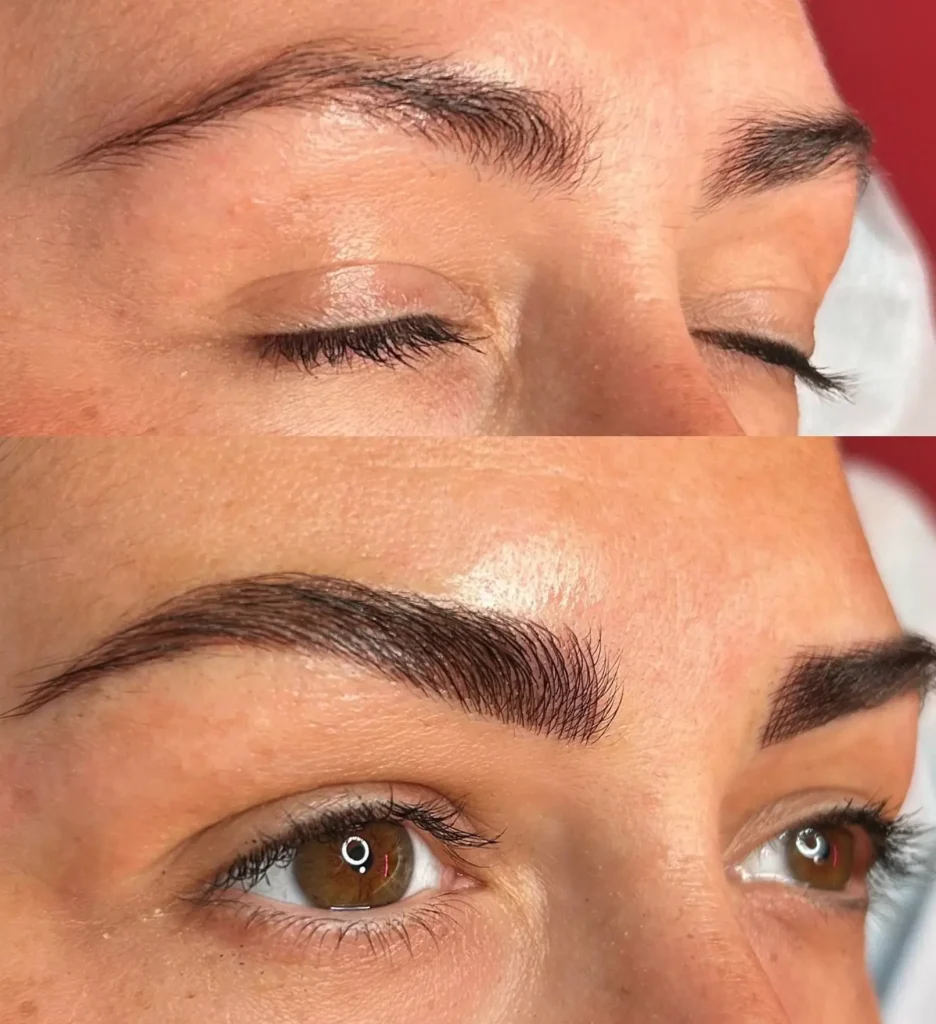
The latest beauty trend reports and salon data show a shift in personal preferences:
- Ombre semi-permanent makeup is the preferred brow choice for a polished, makeup-ready appearance
- Soft lip tattooing in natural lip colour shades suits a wider range of skin undertones
- Eyeliner tattooing is moving towards lash enhancements rather than dramatic lines
Clients searching for a cosmetic tattoo Melbourne specialist are increasingly prioritising subtlety and skin compatibility over dramatic transformations.
These styles blend better with natural features and support longer-lasting, low-maintenance beauty routines.
Touch-Up Needed — or Not?
Cosmetic tattoo procedures are highly individual. Some clients opt for regular maintenance every 1–2 years; others prefer to let their pigment fade naturally.
Touch-ups are recommended when:
- Your pigment has faded by more than 50%
- You’ve had lifestyle changes like laser hair removal treatments or skin care products that affect retention
- You want to refresh your brow shape or pigment colour
Letting tattoos fade too much may require a full cosmetic tattooing procedure again. Frequent top-ups, however, should be avoided to prevent build-up in deeper layers.
Skin Reactions & Safety Basics
Even semi-permanent makeup is still a cosmetic procedure. Here’s what you need to know:
- Always complete a consultation form and patch test, especially if you have allergies to pigments or sensitive skin
- Avoid treatments if you have active infections, cold sores, or are mid-menstrual cycle — these can heighten the risk of infection or poor healing
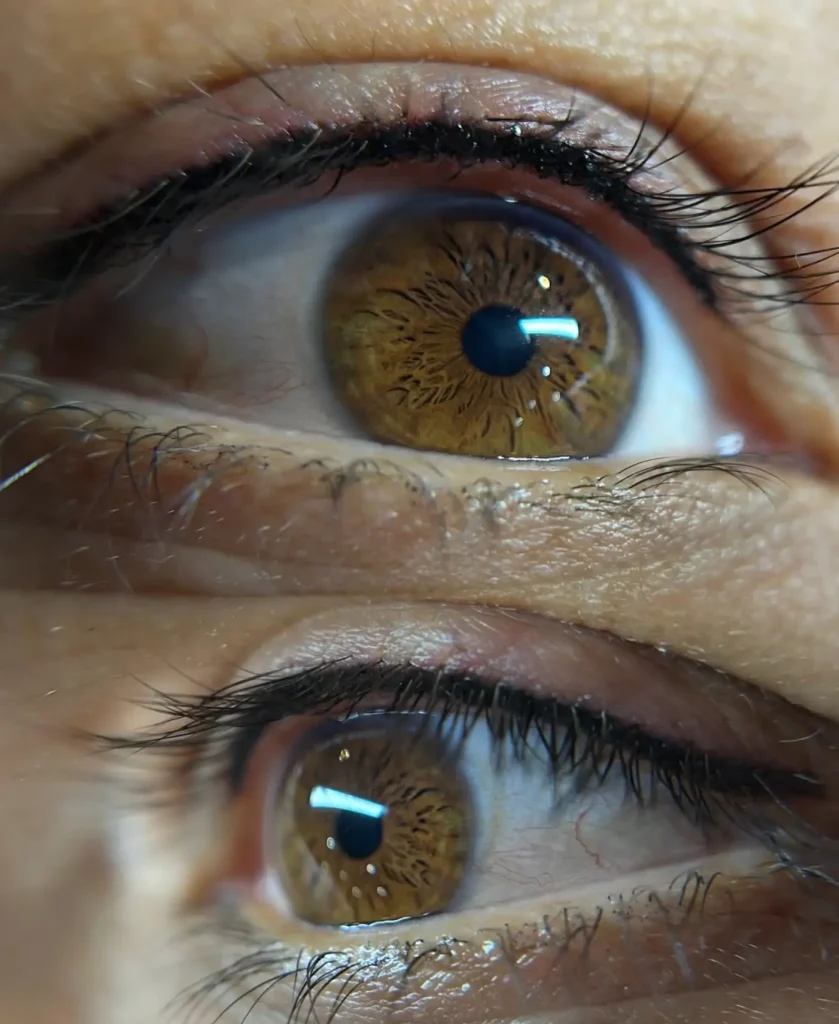
- Remove lash extensions and contact lenses before eyeliner procedures
- Avoid fish oil, essential amino acid supplements, or blood thinners pre-treatment
Improper aftercare or using skincare products with active ingredients can cause loss of pigment, scarring, or chance of infection.
A skilled cosmetic tattooist will guide you through these precautions and ensure your procedure, whether it’s brows, lips, or cosmetic tattoo eyeliner, is tailored to your features and medical history.
Summary Table: Cosmetic Tattoo Longevity By Area
| Area | Fades Fastest If… | Ideal Maintenance Cycle |
|---|---|---|
| Brows | Oily skin, harsh skincare, and poor aftercare | 12–18 months |
| Eyeliner | Daily makeup use, rubbing eyes, and contact lenses | 2–4 years |
| Lips | Sun exposure, hot drinks, spicy foods | 18–36 months |
| Freckles | Regular exfoliation, tanning, and environmental exposure | 6–12 months |
Final Thoughts
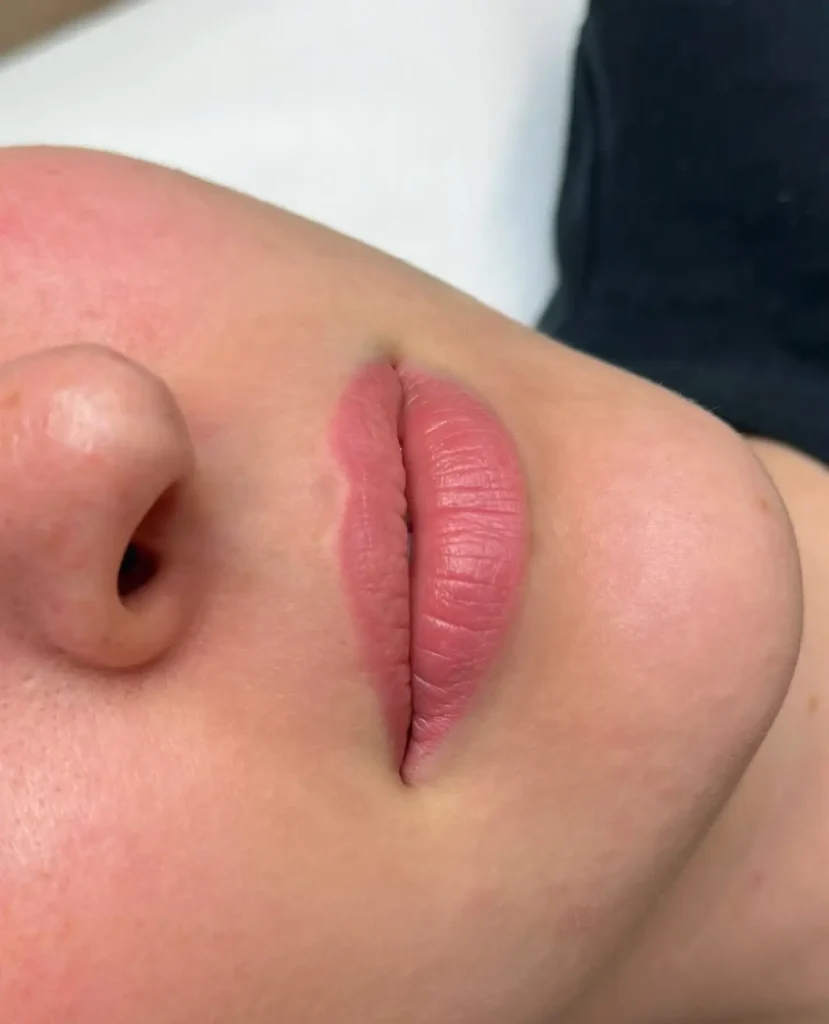
Cosmetic tattooing is a serious beauty investment — one that can save time and boost natural beauty when done right. It’s about enhancing your facial features, not masking them.
Choose a reputable artist who prioritises hygiene, realistic results, and personalised design based on your skin tone, eye shape, and lifestyle habits. Whether you’re after softly defined brows or subtle cosmetic tattoo eyeliner, the goal is a result that flatters, not overpowers.
Still unsure? Book a cosmetic tattoo consultation. Let’s chat about whether your skin type, routine, and personal circumstances make you a good candidate for long-lasting, low-fuss results.
FAQ
Can cosmetic tattoos last longer than five years?
Only occasionally — mostly eyeliner tattoos. Other areas fade due to skin cell turnover and lifestyle factors.
Is there anything I can do to make it last longer?
es! Sun protection, avoiding active ingredients, and proper aftercare can all help. Maintain a steady beauty routine and use high-quality sunscreen.
Will the colour change over time?
Yes — pigment colour can shift slightly, especially with lower-quality pigments. This is why regular touch-ups and artist check-ins matter.
What happens if I don’t like how it fades?
You can opt for laser treatment (only from trained professionals), colour correction, or just allow natural fading depending on your comfort level.
Can I get cosmetic tattoos removed safely?
Yes, but it depends on the area and pigment depth. Laser removal of body art tattoos and eyebrow tattoos is common, but lip and eyeliner areas require extra care due to delicate tissue and potential MRI scan interference.
 John Dickens
 Oliver Smith