

When heading to Australian ski resorts for a Melbourne snow trip, packing a ski helmet isn’t top of mind. But safety on the slopes is paramount and wearing a helmet can reduce the risk of injury, including accidental injuries. But is it really necessary or just another layer of protection?
Contents
Helmets
Skiing and snowboarding are fun but come with risks. Falls, collisions with other skiers and unexpected obstacles in ski resorts or terrain parks can result in minor injuries or head trauma. A comfortable helmet is a barrier of protection, absorbs impact and potentially prevents concussions or worse. Whether you’re self-guided or on a guided snow tour, safety always comes first.
Understanding the Risks
All Australian skiers, from beginner to experienced need to be aware of the risks of skiing. The current conditions of the slopes, fresh powder or icy patches can increase the chance of falls. Wearing a modern helmet can protect against head injuries and be comfortable. Helmets aren’t compulsory at all Australian resorts but ski helmets are part of the protective gear. If you’re heading to the snow with family or friends make sure everyone has the right gear including helmets for a safe and fun experience.
Are Helmets Mandatory in Australia?
Australian ski resorts don’t have laws mandating helmets for skiers and snowboarders. But many Australian resorts recommend wearing one especially for beginner skiers and kids. Some ski schools require students to wear helmets as part of their safety policy. Helmets are more common in structured programs. Many helmet brands design their helmets for different helmet styles and sizes to fit different preferences.
Benefits of Wearing a Helmet
- Protection from Head Injuries – Reduces the severity of injuries in case of falls or collisions.
- Weather Protection – Keeps your head warm in alpine weather and shields against winter conditions.
- Improved Confidence – Many skiers including experienced skiers feel more secure and confident wearing a helmet.
- Sets a Good Example – Encourages safety awareness among beginners and kids.
- Fits Comfortable – Helmets come in different helmet styles, helmet sizes and helmet brands so you can find one that fits you.
- Extra Helmet Foam for Warmth – A good helmet provides an extra layer of warmth in cold conditions.
- Durable and Long Lasting – Helmets are designed to last multiple seasons.
Reasons Not to Wear a Helmet
Some skiers say helmets are too bulky or uncomfortable. Others claim they provide a false sense of security and lead to riskier behaviour. But modern helmets are lightweight, well ventilated and designed for comfort while maximising safety. Unlike bike helmets or cycle helmets, ski helmets are built for cold weather and impact protection with features like helmet foam for extra warmth and safety.
Other Essentials
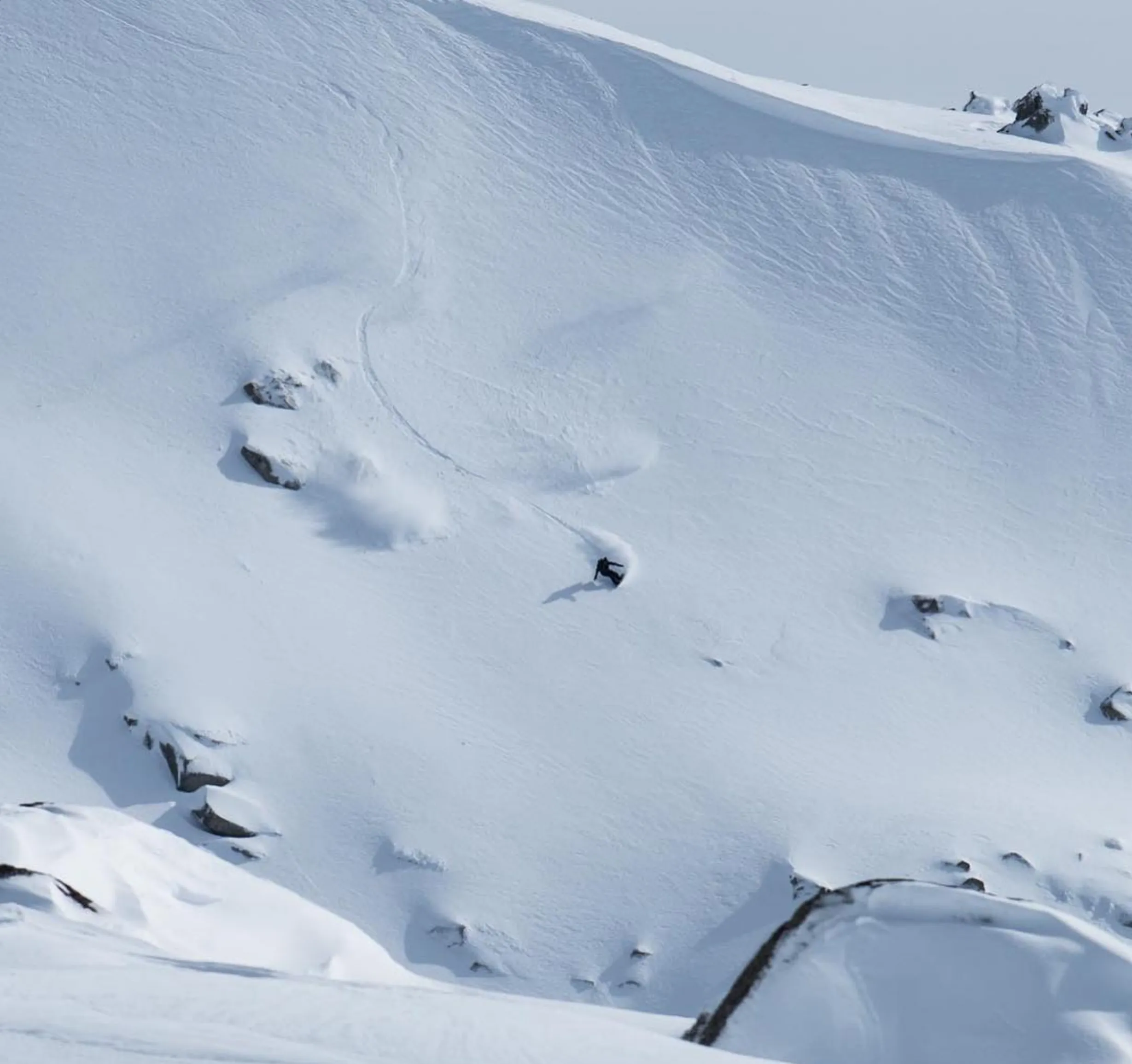
Apart from a helmet, here are other essentials to bring along for a full day in the snow:
- Ski Boots & Snow Boots – Ski boots provide ankle support, snow boots or ankle boots are for walking in the snow.
- Waterproof Gloves & Outer Gloves – Protects against cold and maintains dexterity.
- Mid-Layers & Middle Layer Clothing – Extra warmth for unpredictable alpine weather.
- Hydration Packs – Hydration is key in high altitudes.
- Chain Fitting Equipment – If driving to the resort, get chains fitted for your tyres to prevent equipment failure.
- Gear from Friends or Rentals – If you’re a beginner skier or only skiing for a short time, borrow from friends or rent.
- Protective Equipment – In addition to helmets, wrist guards, knee pads and back protectors can reduce injuries.
- Hiking Trails & Hiking Level – If you’re going to hike beyond the slopes, check the hiking level and make sure you have the right gear.
- Extra Warmth – Pack multiple layers to adjust to changing weather.
- Helmet for All Conditions – Whether skiing or snowboarding, choose the right helmet size and fit for you.
- Current Conditions & Weather Protection – Always check the forecast before you go and dress for cold.
Conclusion
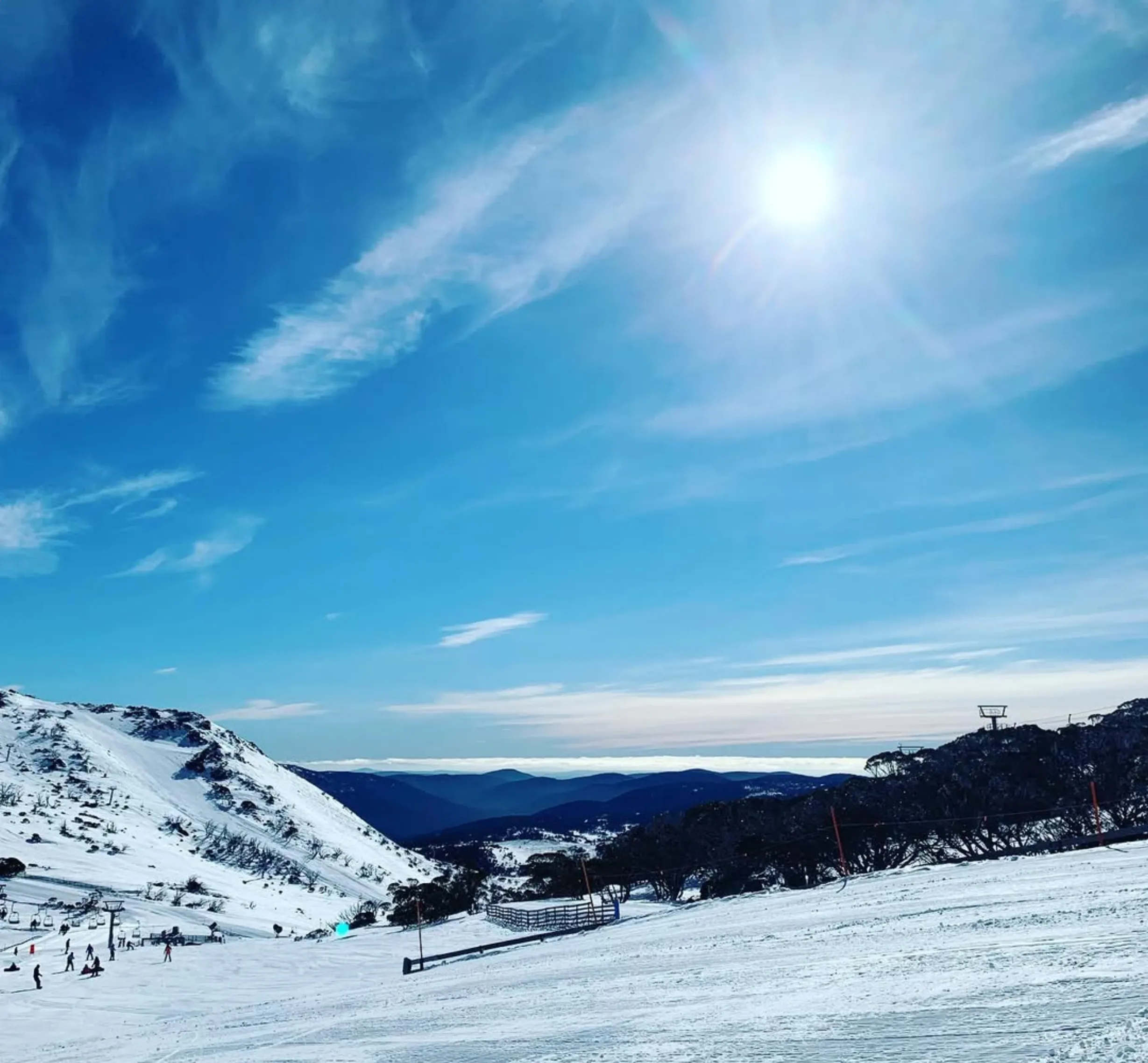
Not required by law but a good idea. Whether you’re a beginner or a seasoned skier the added protection can make all the difference in preventing injuries. Safety first so you can get in the fresh powder without the risks. If you’re on a guided snow trip then helmet use will probably be encouraged and you’ll see why.
FAQ
Do children have to wear helmets at Australian ski resorts?
Not required by law but most ski schools require helmets for kids in lessons.
Do Australian ski resorts rent helmets?
Yes most ski resorts offer helmet rentals so you don’t have to buy one if you don’t ski often.
Will a helmet prevent all head injuries?
A helmet will significantly reduce the risk of head injuries but not prevent minor or accidental injuries.
Are helmets comfortable to wear skiing?
Modern ski helmets are designed to be comfortable with adjustable straps, ventilation and insulation to keep your head warm. A properly fitted helmet size will give you extra warmth and protection.
Do pro skiers wear helmets?
Yes most pro skiers wear helmets for safety and many competitions require them as part of the rules. They usually choose from well-known helmet brands that offer maximum safety and performance.
 John Dickens
 Nick Lorens