

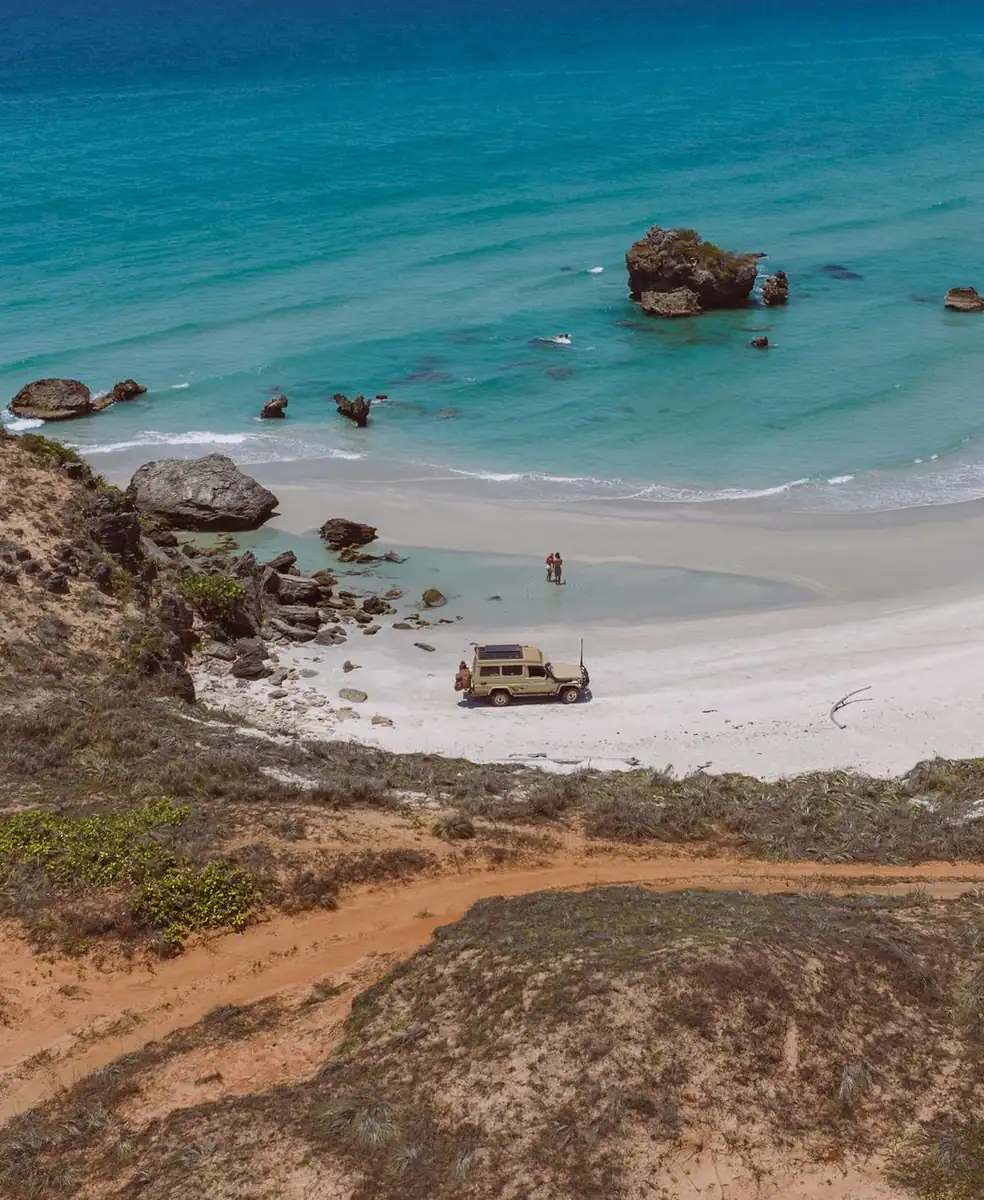
Travellers heading into the Northern Territory often underestimate how access works once you leave sealed highways and national parks behind. Arnhem Land operates under a very different system from most destinations in the Top End, and that difference shapes everything from how you plan your route to whether you’re allowed to step off the road.
I’m Paul Beames, and after years of outback travel across the north, I’ve learned that Arnhem Land rewards preparation and respect. This isn’t a place you “squeeze in” on a whim. It’s Aboriginal land, actively lived on and carefully managed by Traditional Owners, and every visitor enters under permission — not assumption.
Contents
- 1 Why This Region Isn’t Treated Like A National Park
- 2 Who Oversees Entry And What Their Role Is
- 3 How Visitor Approvals Are Structured
- 4 What Independent Travellers Can Realistically Do
- 5 Why Organised Access Often Delivers More
- 6 Coastal Areas, Fishing Rules, And Sea Country
- 7 Cultural Sites And Why They’re Protected
- 8 Common Boundary Confusion
- 9 Reaching The Region By Road Or Air
- 10 Why Controlled Access Isn’t Going Away
- 11 A Practical Conclusion For Trip Planning
- 12 FAQ
Why This Region Isn’t Treated Like A National Park
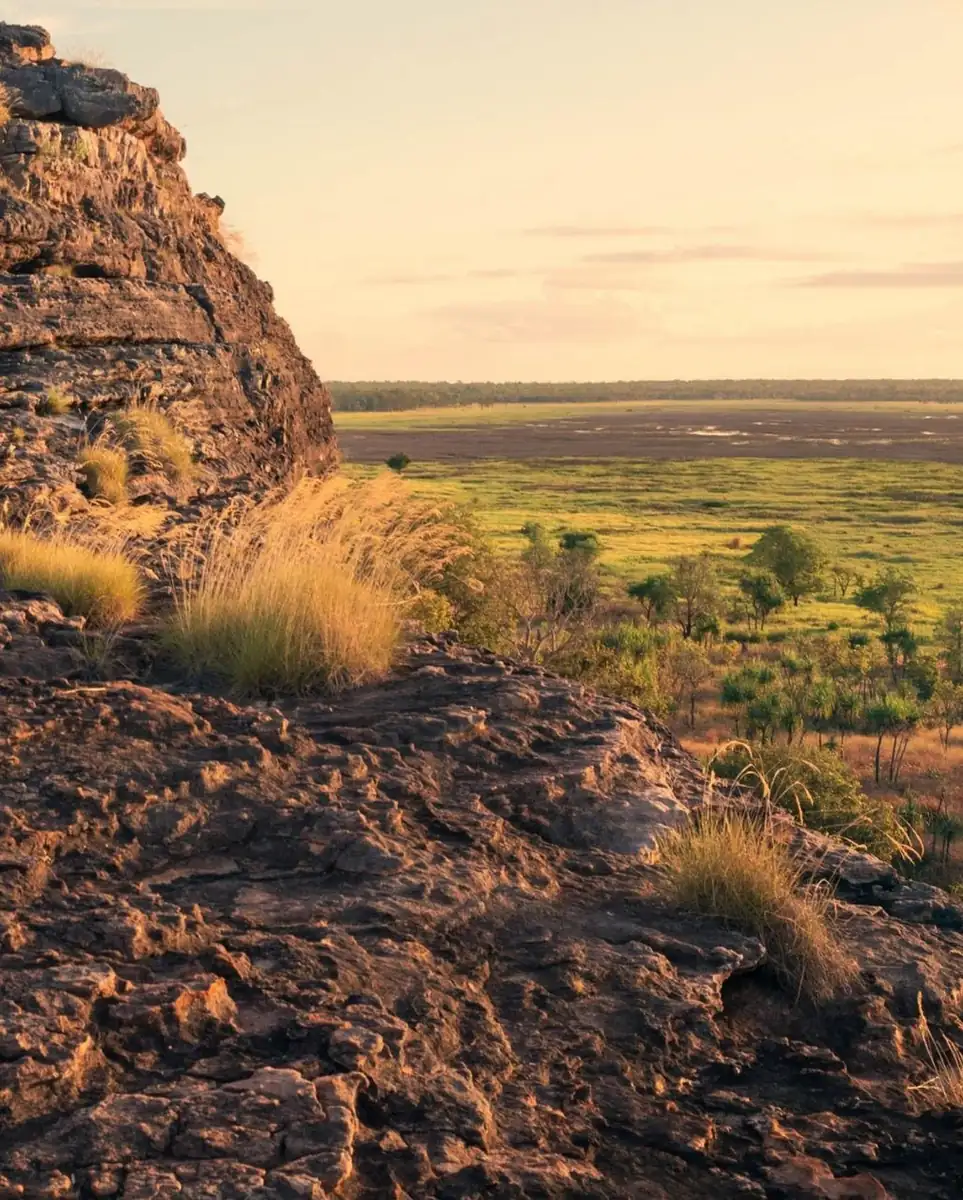
Arnhem Land is often compared to Kakadu National Park, but the similarity ends at the map edge. Kakadu is public land with joint management arrangements. Arnhem Land is Aboriginal freehold land, protected under the Aboriginal Land Rights Act, Northern Territory law, and Commonwealth law.
Covering roughly 97,000 square kilometres, Arnhem Land spans East Arnhem Land, West Arnhem Land, and the Gove Peninsula, stretching north to the Arafura Sea and east toward the Gulf of Carpentaria. These aren’t empty spaces — they’re living landscapes shaped by Aboriginal inhabitants who continue to practise traditional culture, manage Sea Country, and protect sacred sites.
Who Oversees Entry And What Their Role Is
Access across most of Arnhem Land is managed by the Northern Land Council, which represents Traditional Owners throughout the region. On Groote Eylandt, a different authority applies — the Anindilyakwa Land Council.
These organisations aren’t tourism operators. Their responsibility is to safeguard the country, Aboriginal communities, and culturally significant areas. Visitor approvals are carefully assessed, with decisions based on location, timing, and purpose—not convenience.
How Visitor Approvals Are Structured
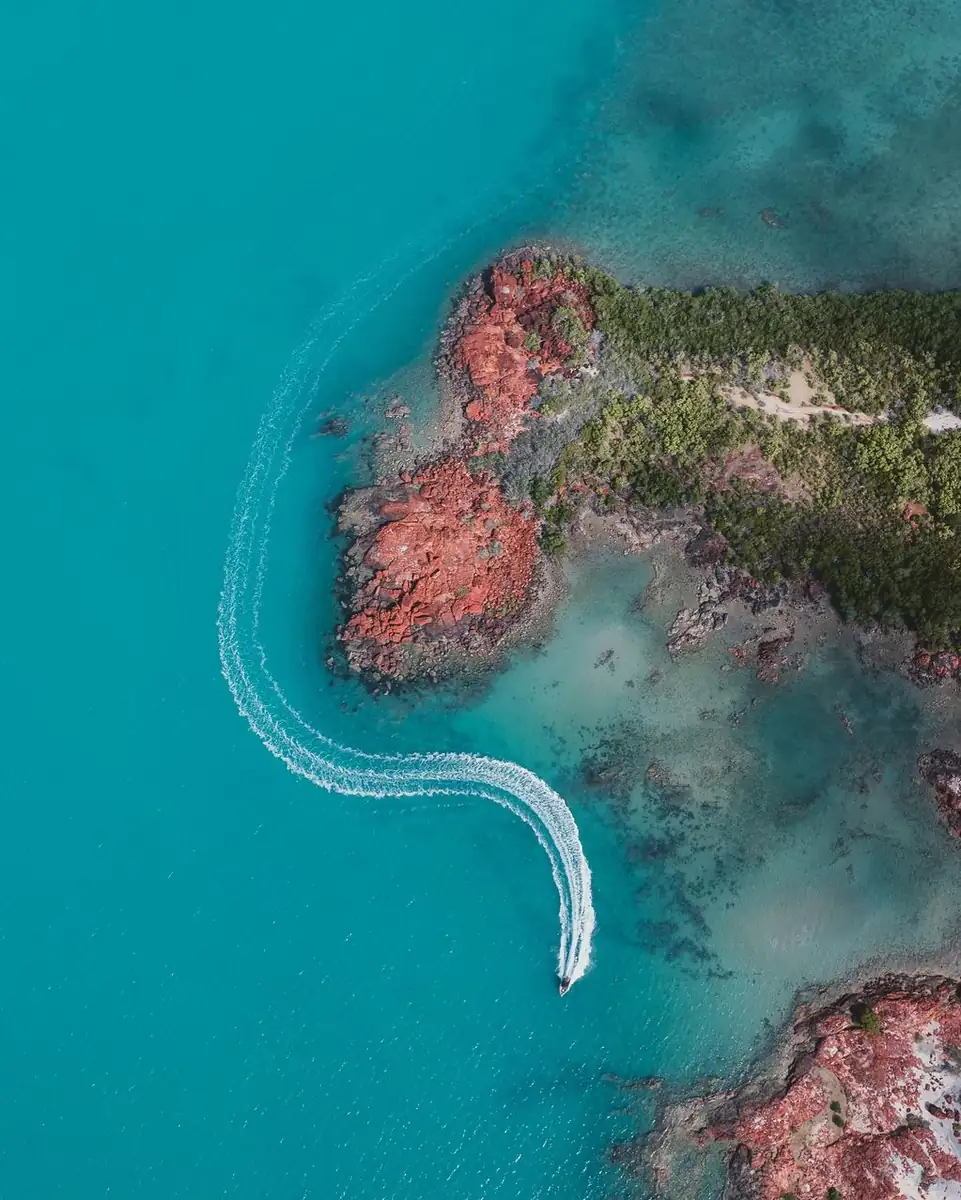
Access permissions in Arnhem Land are activity-based rather than generic. The most common approval types travellers encounter include transit, visitor access, recreation, camping, fishing, and work-related permissions.
A Transit Permit applies if you’re travelling approved corridors such as the Central Arnhem Road, commonly used to reach Nhulunbuy on the Gove Peninsula. This allows passage only — not exploration.
A Visitor Access Permit applies when entering Aboriginal communities or areas outside transit routes. Recreation Permits allow limited non-commercial access but exclude camping and fishing. Camping Permits are required for approved sites such as Dholuwuy Campground and Cato River Campground.
Fishing requires separate approval via a Fishing Permit or a Recreational Fishing Permit, particularly in areas like Blue Mud Bay, which is Aboriginal-owned Sea Country. Work Permits apply to employment, research, or media activity.
All approvals are processed through the Permit Administration System, and the application process can take time — especially during peak dry-season demand.
What Independent Travellers Can Realistically Do
Independent travel is possible in limited circumstances, but it’s tightly defined. Travellers driving through parts of East Arnhem Land toward Nhulunbuy can do so legally with a valid transit approval, provided they remain on the authorised route and follow permit conditions precisely.
What isn’t permitted is spontaneous exploration. You can’t detour to beaches, visit outstations, camp freely, or access inland tracks without explicit permission. Arnhem Land doesn’t function like Cape York, and improvisation is one of the quickest ways to lose access altogether.
Why Organised Access Often Delivers More
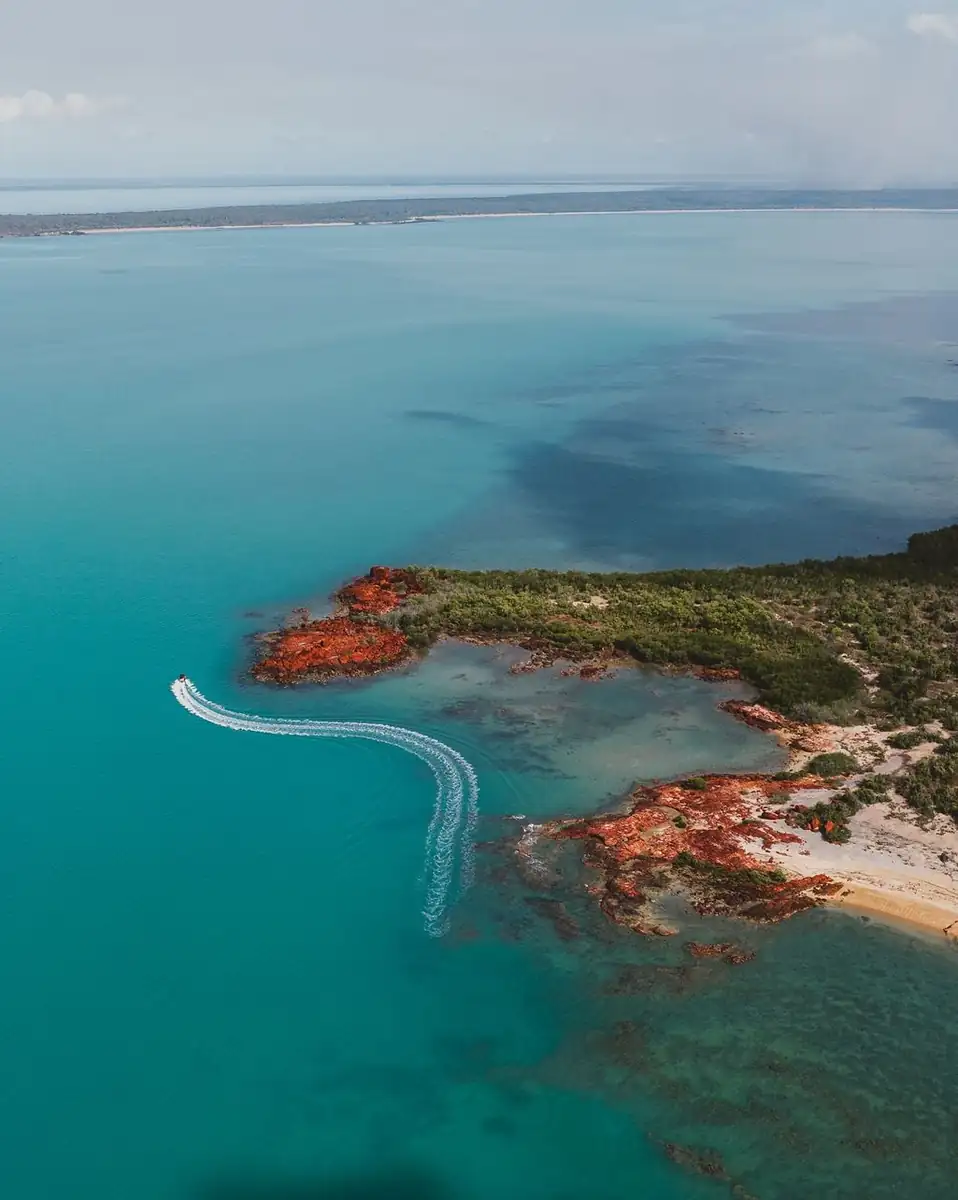
For many travellers, guided access isn’t a compromise — it’s the option that actually delivers depth. Travelling with guides approved by Traditional Owners provides access to places that remain closed to independent visitors and offers cultural context that no map or signboard can provide.
This is where operators recognised for top northern territory eco tours genuinely stand out. They work within local agreements, manage approvals correctly, and ensure visitors understand why certain places are restricted.
Businesses such as Autopia Tours operate under these frameworks, handling logistics, permits, and cultural protocols so travellers can focus on the experience rather than the rules.
Coastal Areas, Fishing Rules, And Sea Country
Coastal access is one of the most misunderstood aspects of travel in Arnhem Land. Much of the coastline — including Blue Mud Bay, stretches of the Arafura Sea, and parts of the Gulf of Carpentaria — is Aboriginal land, even below the high-tide mark.
Anyone joining Fishing Charters, targeting barra such as Dhipirri Barra, or accessing coastal camps must hold a valid fishing approval. These permissions are often coordinated with local Sea Country teams and apply whether you’re fishing from shore or boat.
With saltwater crocodiles common throughout these waters, Traditional Owner guidance isn’t optional — it’s practical safety advice.
Cultural Sites And Why They’re Protected

Arnhem Land is home to some of Australia’s most significant expressions of Aboriginal culture, including bark painting, x-ray art, and extensive rock art. These places aren’t preserved as relics. They’re part of living systems of knowledge, ceremony, and law.
Community-run spaces such as Maningrida Arts and Culture and other art centres operate as workplaces and cultural hubs. Rock art paintings, ceremonial grounds, and story places are restricted to ensure cultural authority remains with the people who inherit responsibility for them.
Open events like the Garma Festival happen by invitation and agreement. Outside those moments, many areas remain intentionally closed.
Common Boundary Confusion
Not every northern destination sits under Arnhem Land rules. Groote Eylandt has its own approval system. Cobourg Peninsula and Garig Gunak Barlu National Park operate under NT Parks regulations.
Other places — including Cox Peninsula, Bynoe Harbour, Wagait Beach, Quail Island, and areas under the Kenbi Land Claim — fall outside Arnhem Land entirely. Assuming one approval applies everywhere is a common and costly mistake.
Reaching The Region By Road Or Air
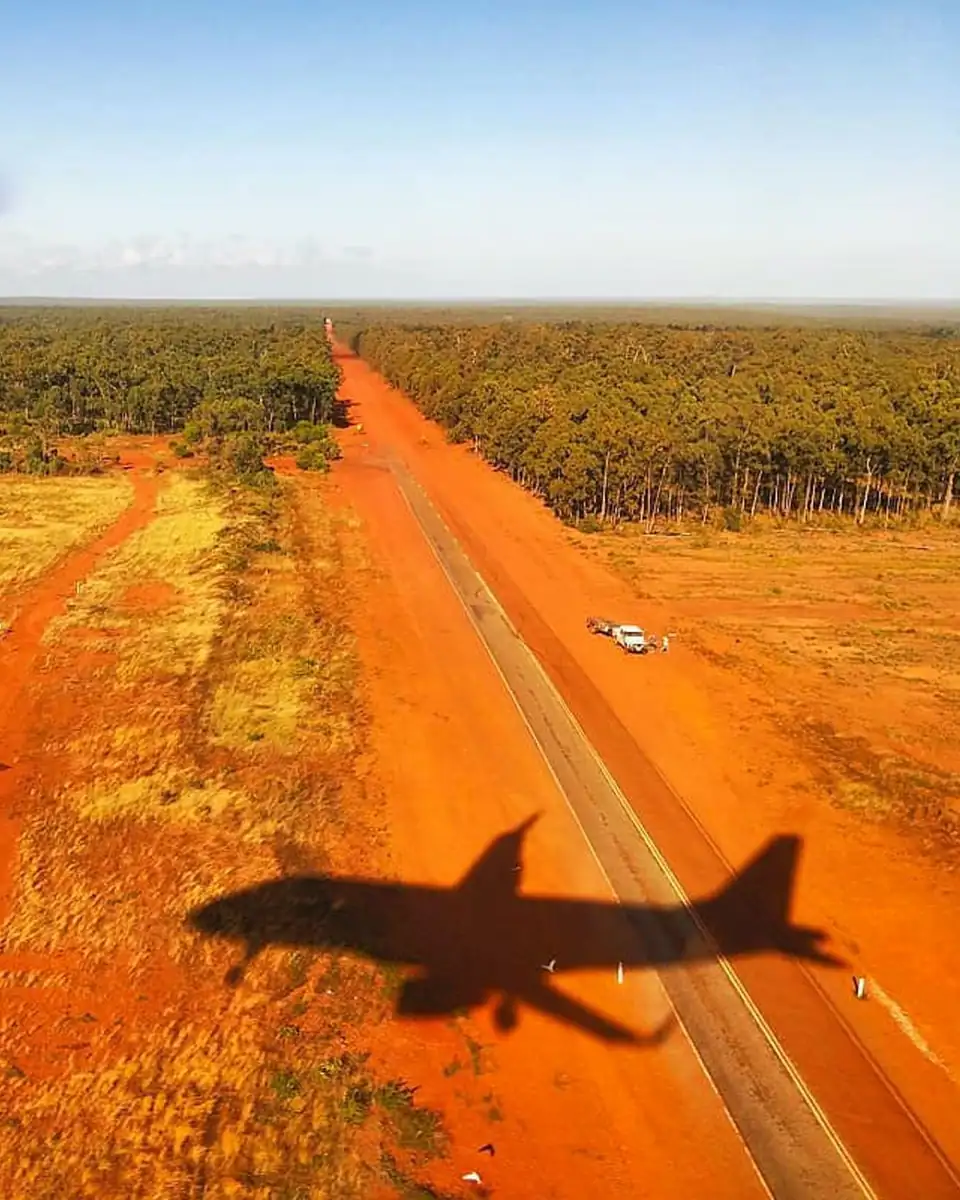
Overland travel usually involves the Central Arnhem Road, which can be rough even in the dry. Corrugations, river crossings, and sudden closures are part of the deal, particularly during the wet season.
Flying is often more reliable. Gove Airport services Nhulunbuy, with onward transfers available through providers such as Gove Taxis. Some travellers opt for Air Safaris or guided Rock Art Tours, which bundle transport, access permissions, and cultural guidance into a single comprehensive itinerary.
Why Controlled Access Isn’t Going Away
The permit system protects Aboriginal communities, sacred sites, rainforests, Northern Wildlife, migratory birds, and ancient landscapes that don’t recover quickly from careless visitation. Limiting access ensures Arnhem Land remains lived-in Country, not a drive-through attraction.
This approach prioritises long-term cultural and environmental protection over visitor volume — and that’s exactly why the region still feels grounded.
A Practical Conclusion For Trip Planning
Arnhem Land operates on permission, not convenience. Independent travel is possible in narrow circumstances, while organised access opens deeper opportunities — but in all cases, approval comes first.
Whether you’re planning solo outback travel or looking at top northern territory eco tours with established operators like Autopia Tours, the principle is the same: respect the rules, understand the boundaries, and listen to the people who belong to the land.
That mindset doesn’t limit the experience — it defines it.
FAQ
Are approvals required for locals or long-term residents?
Yes. All non-Aboriginal visitors must hold appropriate permissions, regardless of residency.
No. Fishing in Aboriginal-owned waters requires formal approval.
Does transit approval allow overnight stays?
No. Overnight stops require separate camping permissions.
Are permissions handled by tour operators?
Yes. Licensed operators organise all required approvals before travel.
Is access more restricted here than in public parks?
Yes. This area is privately owned Aboriginal land, not a public reserve.
 John Dickens
 Oliver Smith