

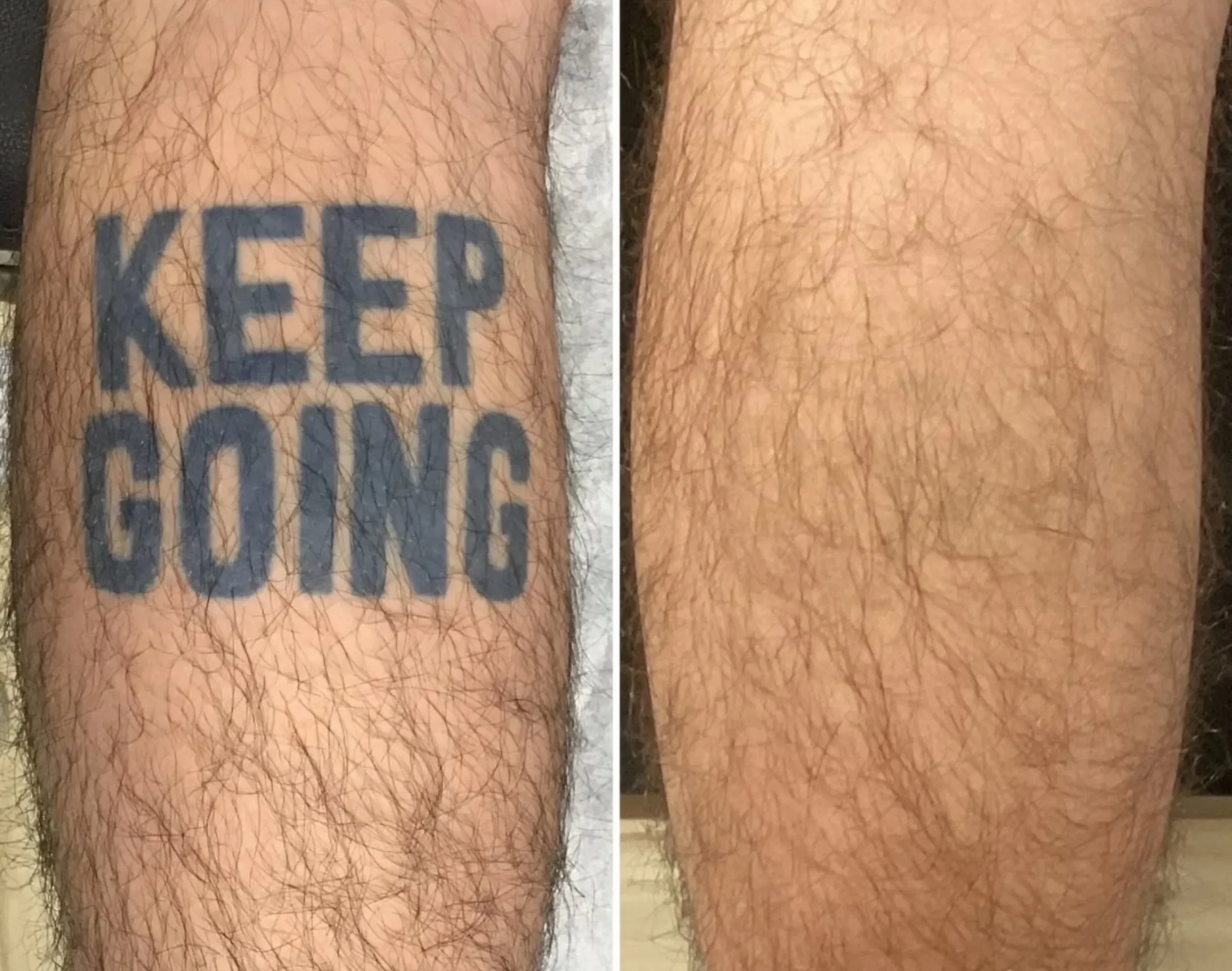
Before we dive into the question of Do I need a patch test before tattoo removal?, let me kick off by welcoming you to tattoo removal with Cosmetic Tattoo Melbourne Studio during your initial consultation – just as I do with every new client. My name is Olha Pop – I’m a dermal therapist, cosmetic tattoo specialist, and the person behind many successful corrective procedures here in Melbourne. Whether you’re looking to get rid of old body art, remove stubborn cosmetic inks, or fix a cosmetic tattoo that just hasn’t aged well, getting a patch test before laser tattoo removal is often the smartest first step.
Tattoo removal isn’t just about blasting pigment with light energy and hoping for the best. Your skin type, skin tone, ink colour, tattoo pigment composition – and even how much time you spend in the sun can all play a part. One of the first things clients ask in the treatment room is: “Do I really need a patch test before we get started?”
So, let’s get down to the nitty-gritty – without all the hype or unnecessary worries.
Contents
- 1 The Quick Answer You Came For
- 2 Why This Small Test Can Improve Your Results
- 3 Laser Vs Saline
- 4 Who Should Consider A Patch Test First?
- 5 What Happens During The Appointment
- 6 What We Commonly See After A Test
- 7 Why Skipping a Preliminary Skin Check Isn’t Always Ideal
- 8 Real Client Story
- 9 Looking After Your Test Area
- 10 Costs And Why The Test Is A Smart Choice
- 11 FAQ
The Quick Answer You Came For
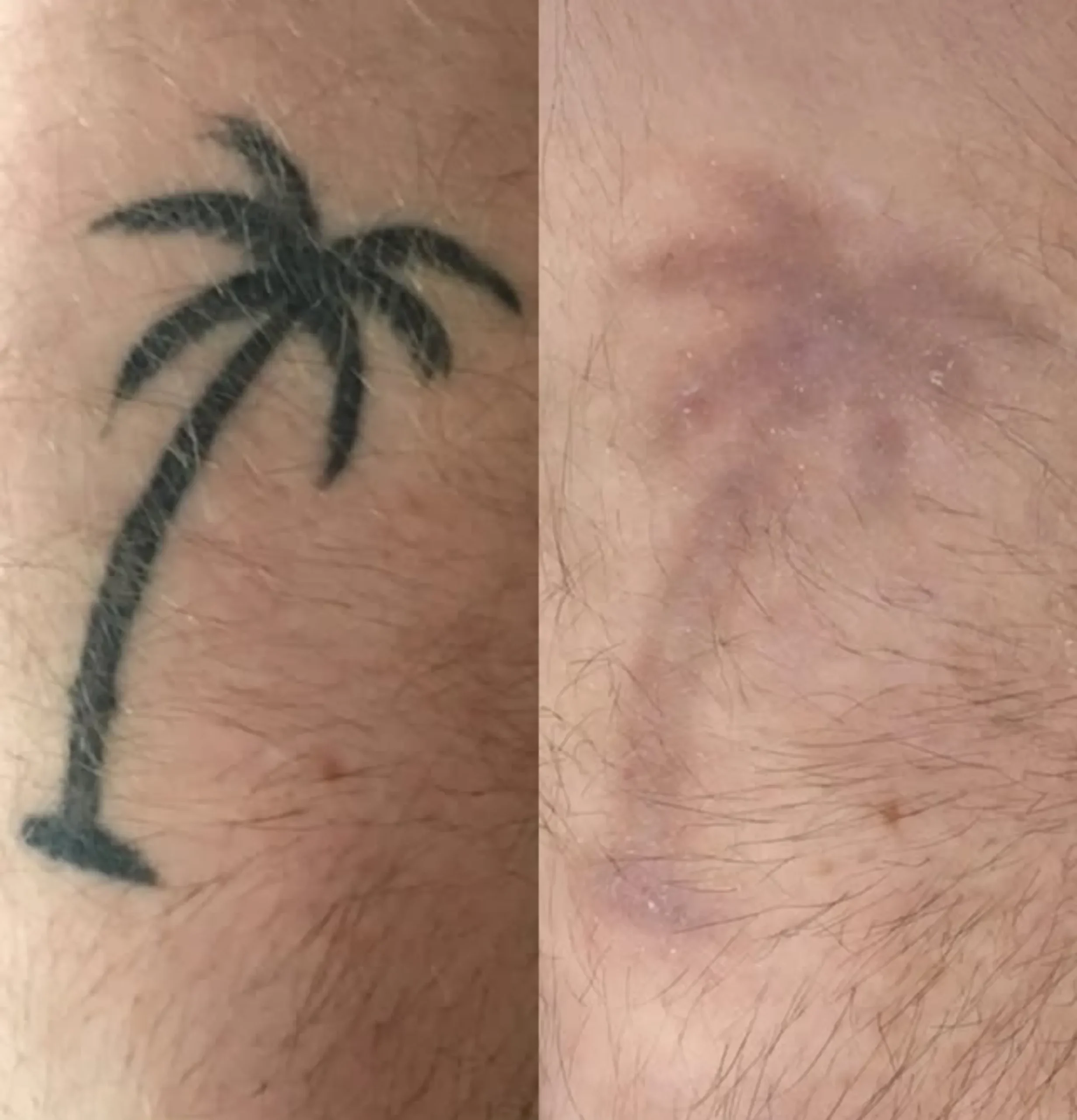
Here’s the deal: a patch test before tattoo removal isn’t strictly necessary, but it’s an essential safety step in many cases. If you’ve got sensitive skin, a darker skin tone, any allergies, previous cosmetic tattoo work that contains titanium dioxide, or unusual tattoo ink, a patch test helps us see how your skin reacts to laser pulses, heat and light energy before committing to a full removal plan.
It’s a small skin contact test that gives insight into how your collagen response behaves, how your skin heals, how pigmentation changes, and how your lymphatic system responds over time.
Sometimes, that one small test spot can save your entire tattoo.
Why This Small Test Can Improve Your Results
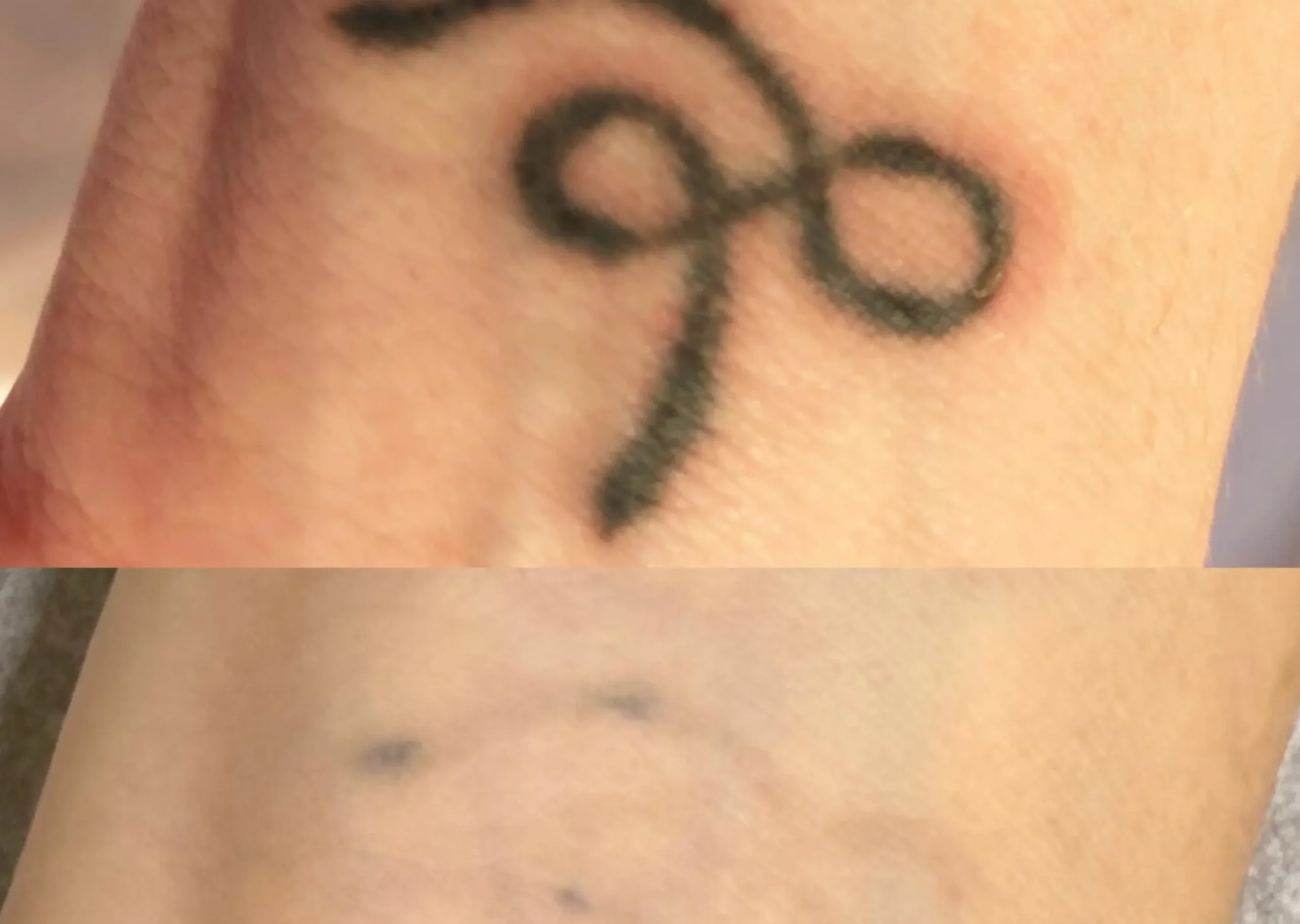
Many people assume laser tattoo removal systems like Q-switch laser technology behave the same on every skin type – but that’s not how skin works. Melbourne clients range from very fair skin to melanin-rich skin types that require lower energy settings to prevent tissue stress.
A patch test helps us determine:
- How your skin responds to laser light exposure
- Whether tattoo pigment darkening may occur
- How different tattoo colours break down
- Your comfort preference for cooling methods
- If numbing creams cause irritation
- Whether heat affects nearby hair follicles
- How quickly skin regeneration begins
All from about 15 seconds of testing.
Laser Vs Saline
Not every tattoo removal method relies on light energy. At my Melbourne studio, I use both laser tattoo removal and saline tattoo removal because each works better for specific pigment types and tattoo styles.
Laser Tattoo Removal
With laser treatment, a patch test allows me to assess:
- Immediate frosting reaction
- Colour response of red, green, yellow and blue inks
- Potential darkening from cosmetic ink oxides
- Your risk of post-treatment pigmentation
- Sensitivity to laser-generated heat
For example, when treating semi-permanent brow tattoos, titanium dioxide may darken before lifting — and a patch test prevents surprises.
Saline Removal
If the tattoo contains dense cosmetic pigment, saline removal may be safer. Patch testing helps determine:
- Level of localised irritation
- Response of your immune system
- Healing speed compared to laser
- Risk of surface scabbing
Laser or saline? In many cases, the patch test decides.
Who Should Consider A Patch Test First?
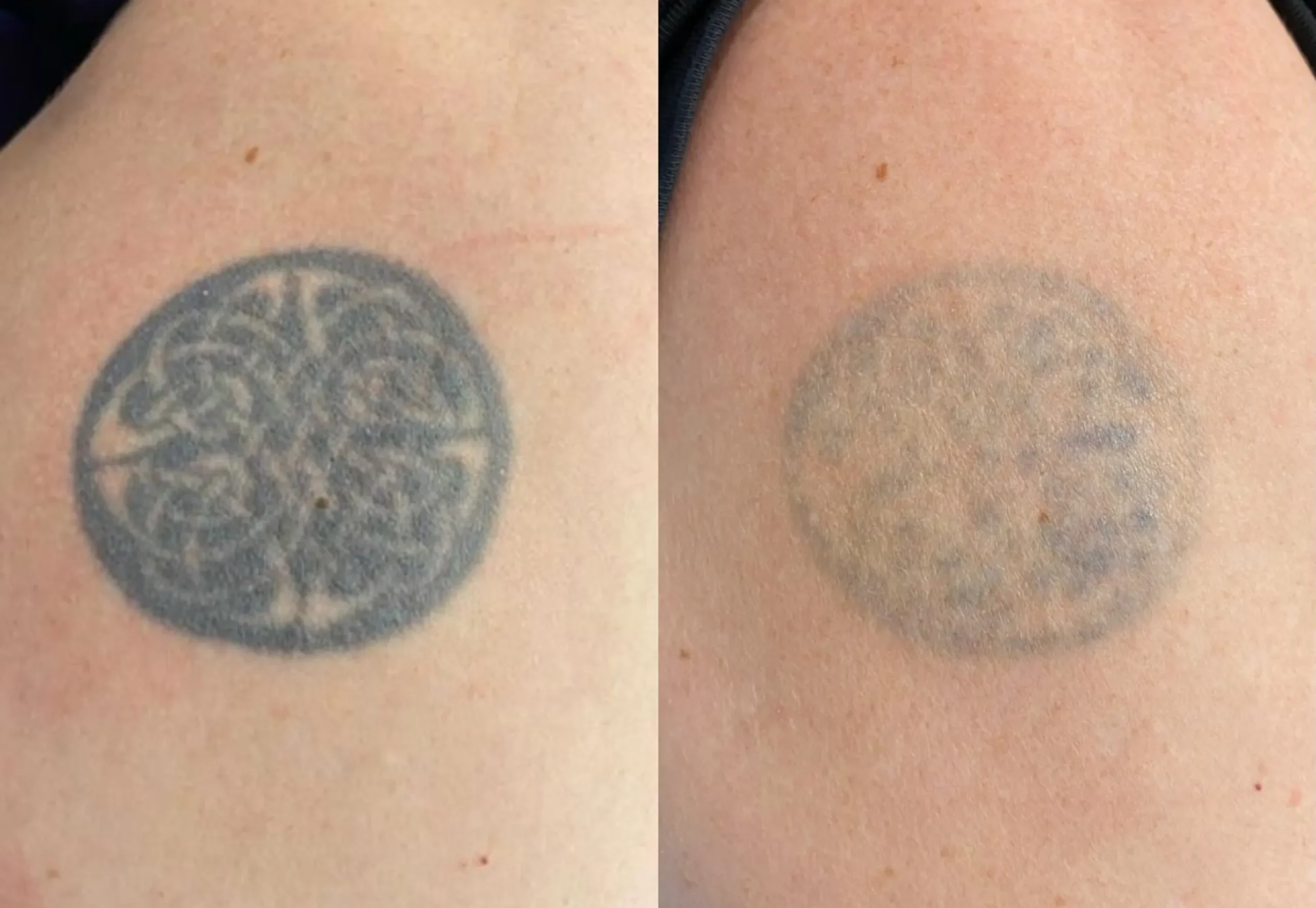
Patch testing isn’t mandatory, but it’s strongly recommended if you fall into one of these groups:
- If you have fair or deep skin tones (Fitzpatrick IV–VI)
- If you have a history of keloid scarring
- If you live with an autoimmune condition
- If your brows or lips contain cosmetic tattoo ink
- If you’ve had high UV exposure or tanning bed use
- If you’re unsure about heavy metals in ink
- If you’ve previously undergone laser hair removal
It’s a simple, no-pressure way to test before we commit.
What Happens During The Appointment
Here’s just the lowdown on what happens when you book in to see me for the first time:
- Getting a Skin Check
When you come in, we’ll take a good, hard look at your skin – that means checking out your skin type, skin tone, what kind of tattoo ink your tattoo’s made of, where it’s located on your body and how it’s healed in the past. That includes assessing how your oxyhaemoglobin response will react to laser heat. - Safety First
As a dermal therapist, I’ve been trained by laser safety officers, which means I can determine whether your tattoo is safe for laser tattoo removal or if we need to explore a different approach. - The Patch Test
Next, we perform a small patch test on a tiny section of your tattoo using either a laser pulse or saline solution. This step only takes a few seconds. - Staying Cool
To keep you comfortable, we may apply cooling gel, an ice pack, or a cold air jet during treatment. - Getting Ready to Heal
After the patch test, you’ll receive clear aftercare instructions, including which healing ointments to use and how to protect your skin from UV exposure during early skin regeneration.
What We Commonly See After A Test
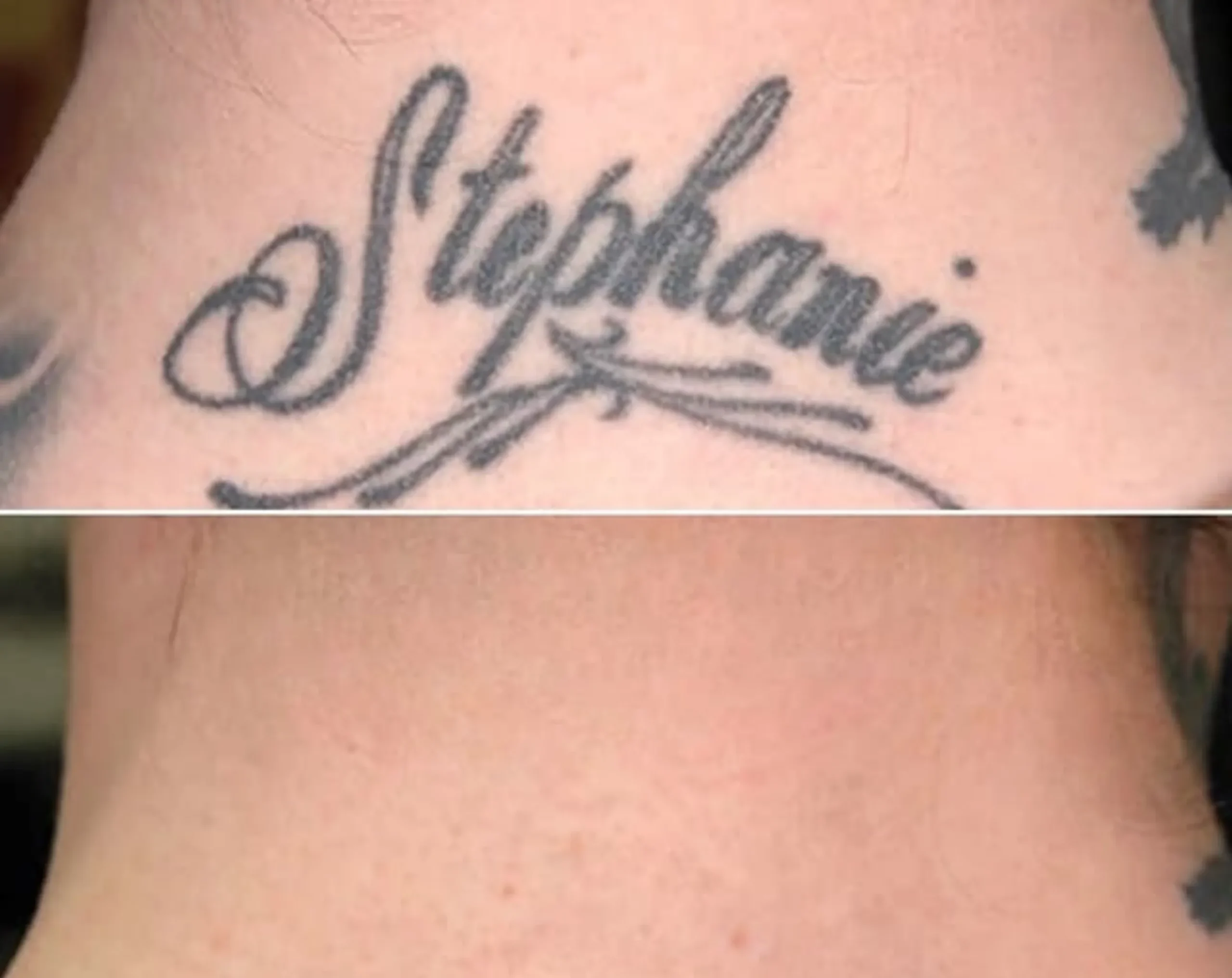
Below is a practical snapshot of what we observe in the clinic, based on real Melbourne clients and industry data.
| Patch Test Reaction | Approx. Percentage | What It Means |
|---|---|---|
| Mild redness/swelling | 65% | Normal laser light heat response |
| Temporary frosting | 40% | Expected tattoo pigment reaction |
| Pigment darkening | 10–15% | Common in cosmetic tattoo pigments containing titanium dioxide |
| Delayed inflammation | 5% | Often linked to sensitive skin types |
| Unexpected colour swelling | <3% | Patch testing prevents full-area issues |
Why Skipping a Preliminary Skin Check Isn’t Always Ideal
Most people don’t experience issues, but skipping a preliminary check can lead to:
- Heat damage from laser settings that are too high
- Unexpected pigment colour changes
- Darkening of ink containing titanium dioxide
- Slower skin healing when removing larger areas
- Complications from incorrect laser calibration
Patch testing exists because skin is unpredictable – especially when dealing with laser energy and tattoo ink.
Real Client Story
We had a client who wanted to remove old cosmetic brow ink and was keen to proceed immediately. Unfortunately, the pigment contained titanium dioxide, and the first laser pulse turned it a smoky charcoal colour.
Although she was ready to continue, we paused and switched to a customised saline tattoo removal plan instead.
Patch test score: 1
Potential disaster averted: 1
Looking After Your Test Area
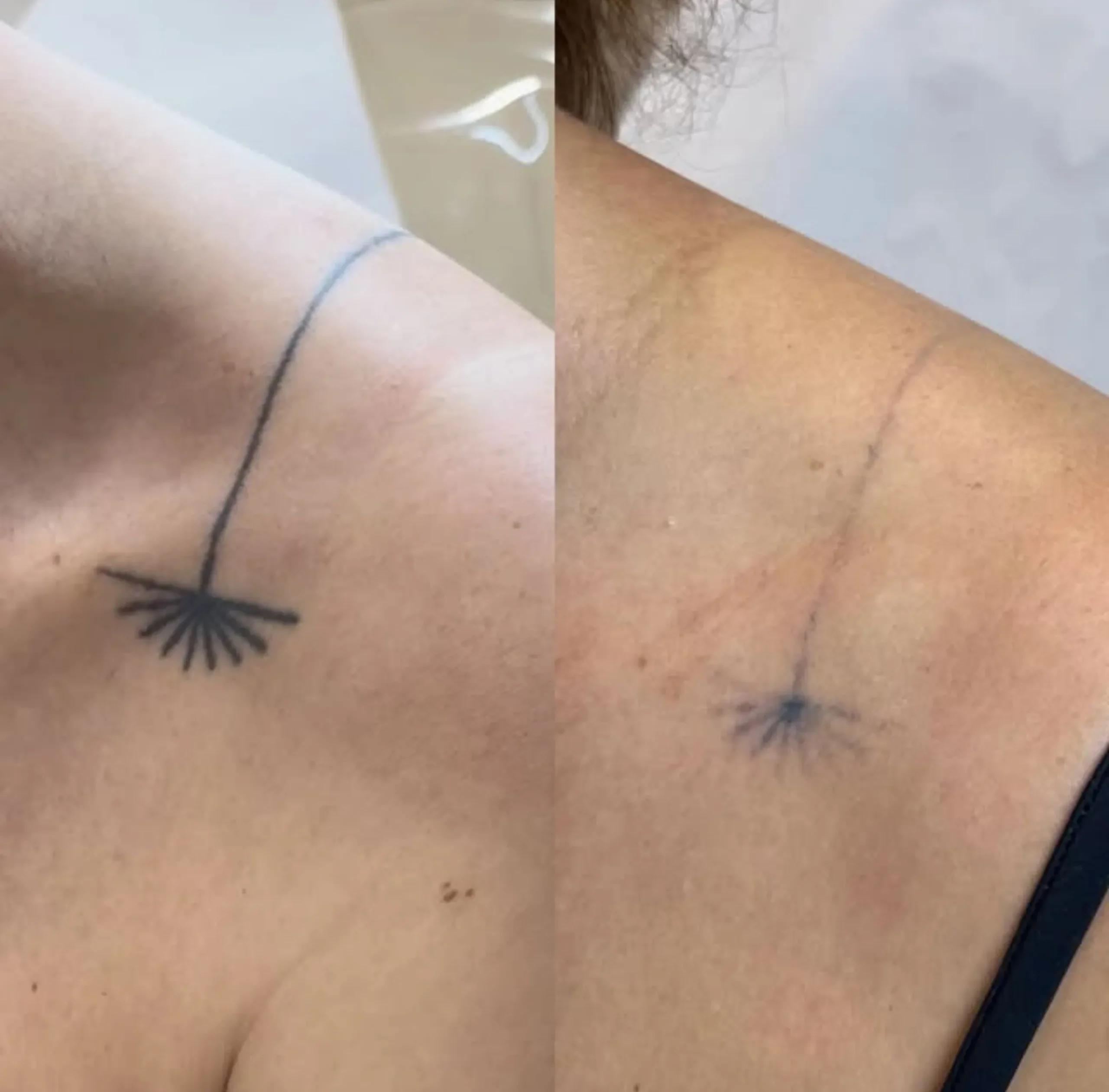
After your patch test, aftercare is simple but important:
- Keep the area clean and dry for 48 hours
- Avoid tanning beds, direct sun, and overheating
- Use healing ointments only as advised
- Do not pick at scabbing
- Apply an ice pack if heat occurs
Good aftercare supports collagen production and reduces the risk of pigmentation issues.
Costs And Why The Test Is A Smart Choice
Laser tattoo removal pricing varies depending on tattoo size, ink colour, and whether laser or saline is used. A patch test typically costs $30–$60 and is often deducted from your first full session.
With full treatments ranging from $80 to $400+ per visit, a patch test is a smart investment before committing.
FAQ
Will the test hurt?
It feels like a quick flick. Cooling helps reduce discomfort.
Can I start treatments straight away?
Usually within 7–14 days, once the test area settles.
Will the test leave a mark?
Unlikely. Collagen regeneration usually smooths the skin.
Is it more important to test cosmetic tattoos?
Yes – especially if the ink contains titanium dioxide or mixed pigments.
Should I still test if I’ve had laser before?
Yes. Ink formulas vary, and skin can react differently in new areas.
 John Dickens
 Nick Lorens
 Devid Feeney