

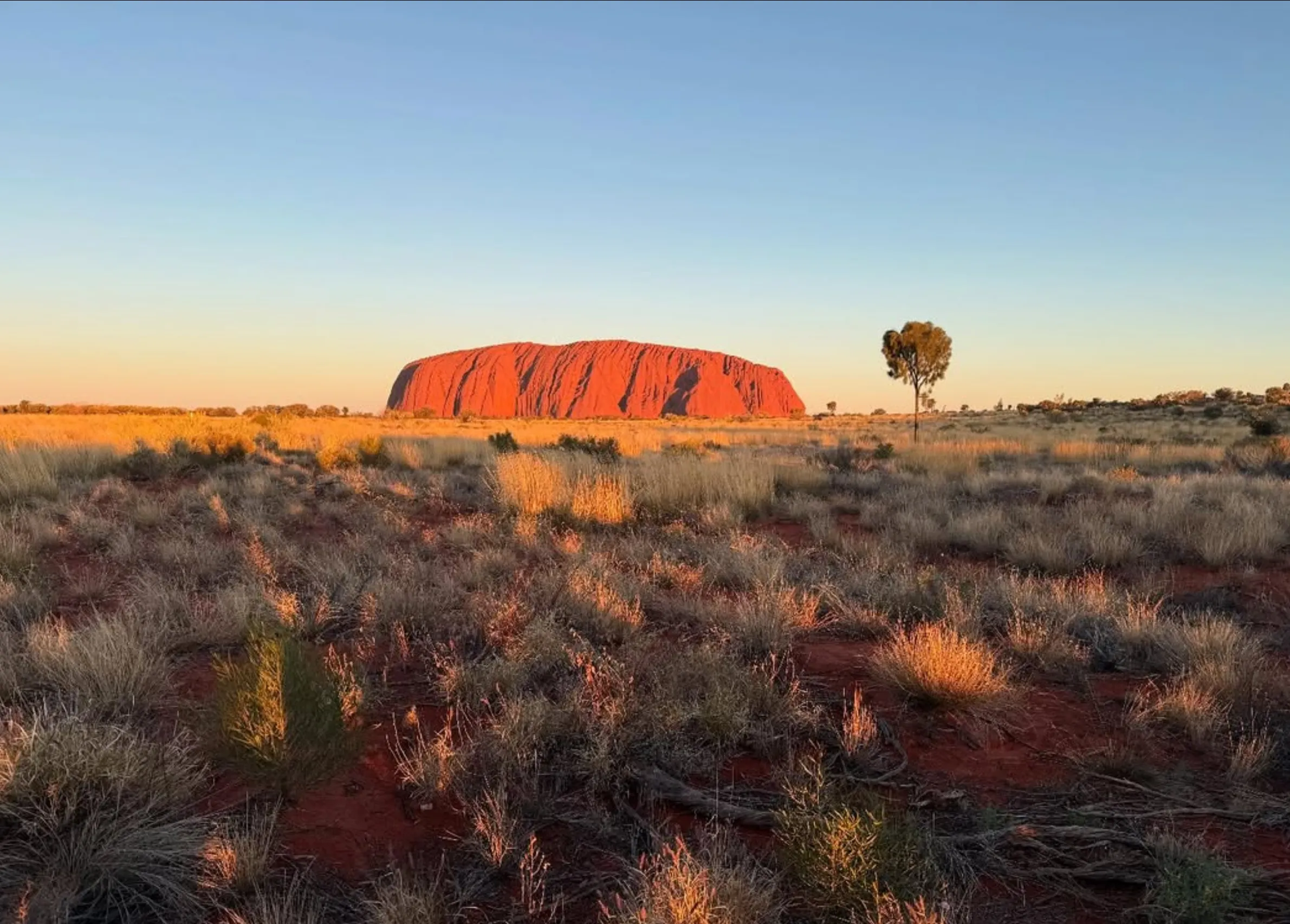
So you’re wondering what to wear at night in Uluru? You’re not alone. Most people pack for the desert heat and forget the other half of the story: the cold, dry evenings that can bite harder than a mozzie at a barbecue. I’m Paul Beames, and after years of guiding groups and running tours across the Red Centre, I’ve seen more than one visitor shiver around a campfire because they thought thongs and a T-shirt would cut it. Let’s get down to business so you know exactly how to stay warm, comfortable and respectful when the sun goes behind that big red rock.
Contents
- 1 Temperatures After Sunset: Desert’s Two Faces
- 2 Layering Like a Local: How to Build Your Night Outfit
- 3 Stats Check: Why Travellers Underpack for Nights
- 4 Packing List
- 5 The Mozzie Factor: Trousers Beat Shorts
- 6 Campfire Culture and Clothing Practicality
- 7 Respect and Responsibility: Cultural Considerations
- 8 Table: Uluru Night Temperatures & Clothing Guide
- 9 Camping Reality: Midnight Dunny Runs
- 10 Footwear for Starry Nights
- 11 Firelight Fashion vs. Reality
- 12 Beauty Trend Crossover: Skincare in the Desert Night
- 13 Stargazing Sessions: Dressing for Stillness
- 14 Native Mammals After Dark
- 15 Local Tour Operator Tips
- 16 Morning After: Dawn Hikes and Sunrise Chill
- 17 Quick Local Hacks for Night Comfort
- 18 Final Thoughts: Pack Smart, Travel Easy
- 19 FAQ
Temperatures After Sunset: Desert’s Two Faces
Nights at Uluru go from balmy in summer to frosty in winter. The semi-arid desert climate is all about contrasts — scorching hot by day, cold as a well digger’s behind by night. The desert’s lack of humidity means temperatures can drop like a stone once the sun goes down. You’ll be glad you packed more than a singlet.
- Summer (Dec–Feb): Daytime highs over 35°C, nights 20°C or lower.
- Winter (Jun–Aug): Days 20°C, nights close to 0°C.
- Shoulder seasons (Mar–May & Sep–Nov): Mild days, crisp evenings — you’ll need a jumper.
I’ve seen thermometers drop 20 degrees in a few hours. That’s what gets people.
Layering Like a Local: How to Build Your Night Outfit
The key is layering — easy to peel off by the fire, easy to throw on for the 3 am loo dash.
Base layer:
- Breathable cotton or merino top
- Light trousers to avoid mosquito bites
Middle layer:
- Fleece or wool jumper
- Light puffer jacket in cooler months
Outer layer:
- Windproof shell or heavier coat for winter nights
Extras:
- Beanie and gloves (yes, even in the desert)
- Scarf or buff for wind chill
Think of it as dressing for a Melbourne winter morning — layers you can shed as the night changes.
Stats Check: Why Travellers Underpack for Nights
A 2025 Tourism NT visitor survey found 62% of first-time visitors underestimated the cold at night, and 41% didn’t bring enough warm clothing. A 2025 fashion retail report also noted an 18% increase in sales of compact packable puffers — lightweight jackets designed for travel — compared to 2024. It seems travellers are finally realising that style and practicality meet in the bush.
Packing List
Here’s what I tell my mates before they head out:
- Long-sleeved shirts (lightweight, breathable)
- Fleece jumper or hoodie
- Puffer jacket (lightweight, compressible)
- Warm beanie
- Scarf or buff
- Gloves (thin merino or fleece)
- Long trousers (not jeans — they hold cold)
- Comfy socks (wool beats cotton)
- Closed shoes (boots or runners)
- Reusable water bottle for hydration
- Water bladder if you’re camping or hiking long distances
- Wet wipes for easy cleanup under the stars
The Mozzie Factor: Trousers Beat Shorts
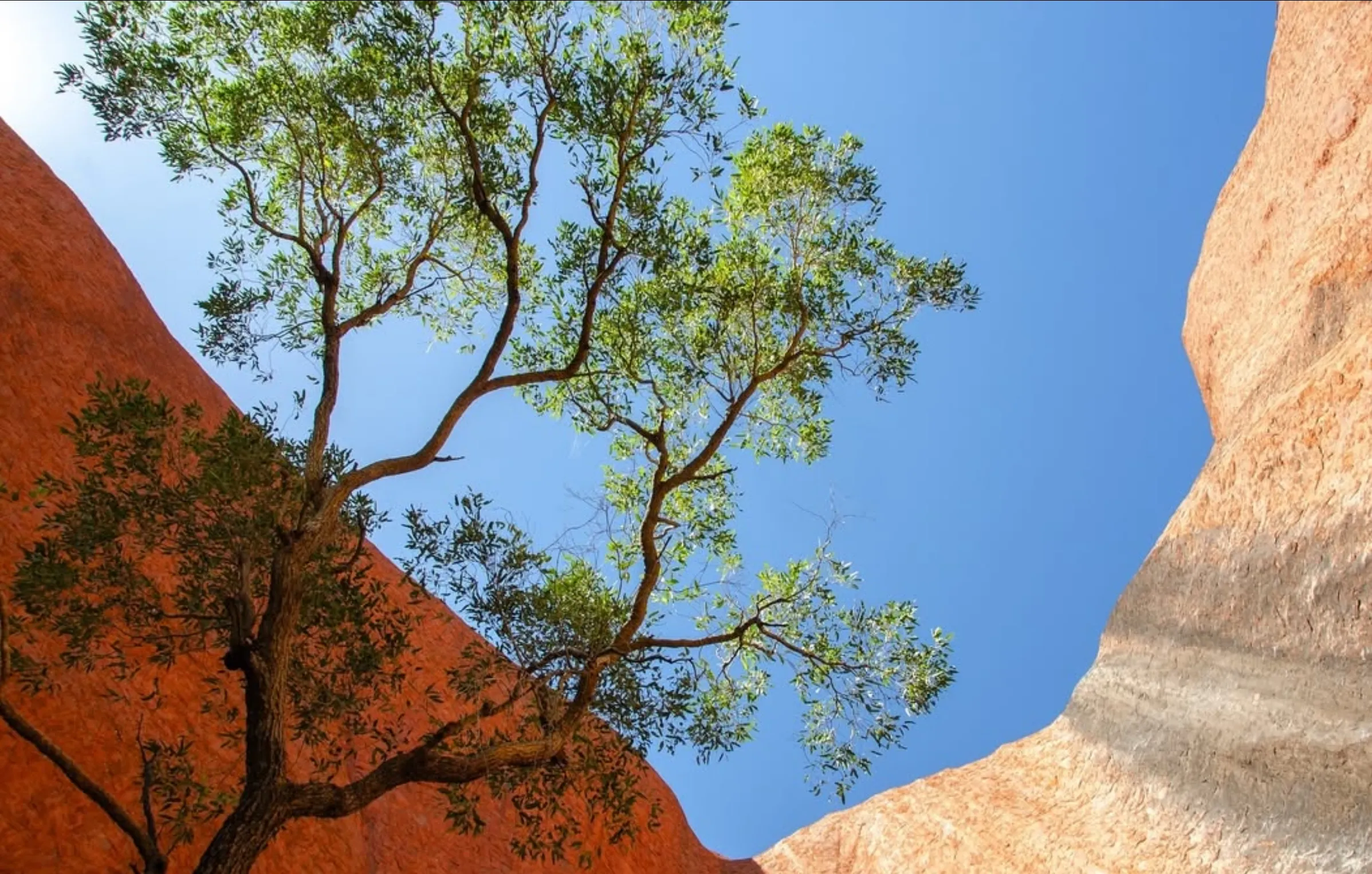
Summer nights might feel mild, but mozzies love a warm, bare leg. Around waterholes or after rain, you’ll find them thick as flies at a picnic. Light trousers or long skirts keep them off without sweltering. Toss in a good insect repellent — otherwise, you’ll be scratching all through the Field of Light. Don’t forget Sun Protection during the day; it’s easy to forget in winter, but the UV doesn’t care what month it is.
Campfire Culture and Clothing Practicality
Sitting around a billy under the stars sounds romantic, until sparks jump from the fire. Synthetic jackets melt quicker than you can say “bugger”. Opt for natural fibres — cotton, wool, or blends that won’t scorch. When I first led camping Uluru tours near Yulara, I learnt quickly to tell guests: leave your delicate down jacket in the tent when sitting close to the flames.
Respect and Responsibility: Cultural Considerations
Uluru is more than a backdrop — it’s a sacred site for the Anngu Traditional Owners. While there’s no strict dress code, modesty is appreciated. Long trousers or skirts and covered shoulders go a long way, especially if you’re joining a cultural Uluru tour or dot painting workshop in the evening. Dressing respectfully shows you’re here for more than selfies.
And if you’re visiting around Mabo Day (3 June), you’ll notice extra conversations about land rights, Australian law, and Indigenous recognition. It’s a good reminder to travel with awareness and respect, acknowledging that Uluru is managed jointly with Parks Australia and Traditional Owners.
Table: Uluru Night Temperatures & Clothing Guide
| Season | Average Night Temp | Recommended Clothing |
| Summer | 18–22°C | Light trousers, long sleeves, mosquito repellent |
| Autumn | 10–15°C | Fleece, scarf, closed shoes |
| Winter | 0–5°C | Puffer, beanie, gloves, multiple layers |
| Spring | 12–18°C | Jumper, light jacket, trousers |
Camping Reality: Midnight Dunny Runs
If you’re on an Uluru camping tour, you’ll soon discover the joys of midnight dashes to the dunny block. Flip-flops won’t cut it when the ground’s icy or the sand hides prickly surprises. Closed shoes and socks save your toes. Trust me, I’ve seen enough travellers hobbling barefoot to know — pack for practicality, not Instagram.
Footwear for Starry Nights
Walking shoes aren’t just for the base walk. At night, the ground holds heat in summer and chills in winter. Runners or hiking shoes give you grip and protection. Throw in warm socks. On frosty mornings, wool socks are your best friend when you crawl out of the swag.
Firelight Fashion vs. Reality
You’ll see plenty of staged shots online — floaty dresses against the Milky Way. In reality? Nights get windy, the red dust stains everything, and mozzies are relentless. Keep your outfit practical, but if you want that photo, layer your warm gear on top and strip back just for the snap.
Beauty Trend Crossover: Skincare in the Desert Night
Here’s where the 2025 beauty trend data comes in. With the global boom in hydrating overnight masks and ceramide-rich moisturisers (up 24% worldwide in 2025) more travellers are packing skincare into their bags alongside their jumpers. Desert air is brutally dry — I’ve seen people wake up with cracked lips and raw skin after one swag night. A simple balm and moisturiser at night keeps you comfortable for sunrise hikes.
Stargazing Sessions: Dressing for Stillness
A clear Red Centre sky is a stunner, but you’ll be standing or lying still for long stretches. That’s when the cold seeps in. Bring an extra blanket or wrap jacket for stargazing tours. I always throw in a thermos of tea — warms your hands and guts while you wait for shooting stars.
Native Mammals After Dark
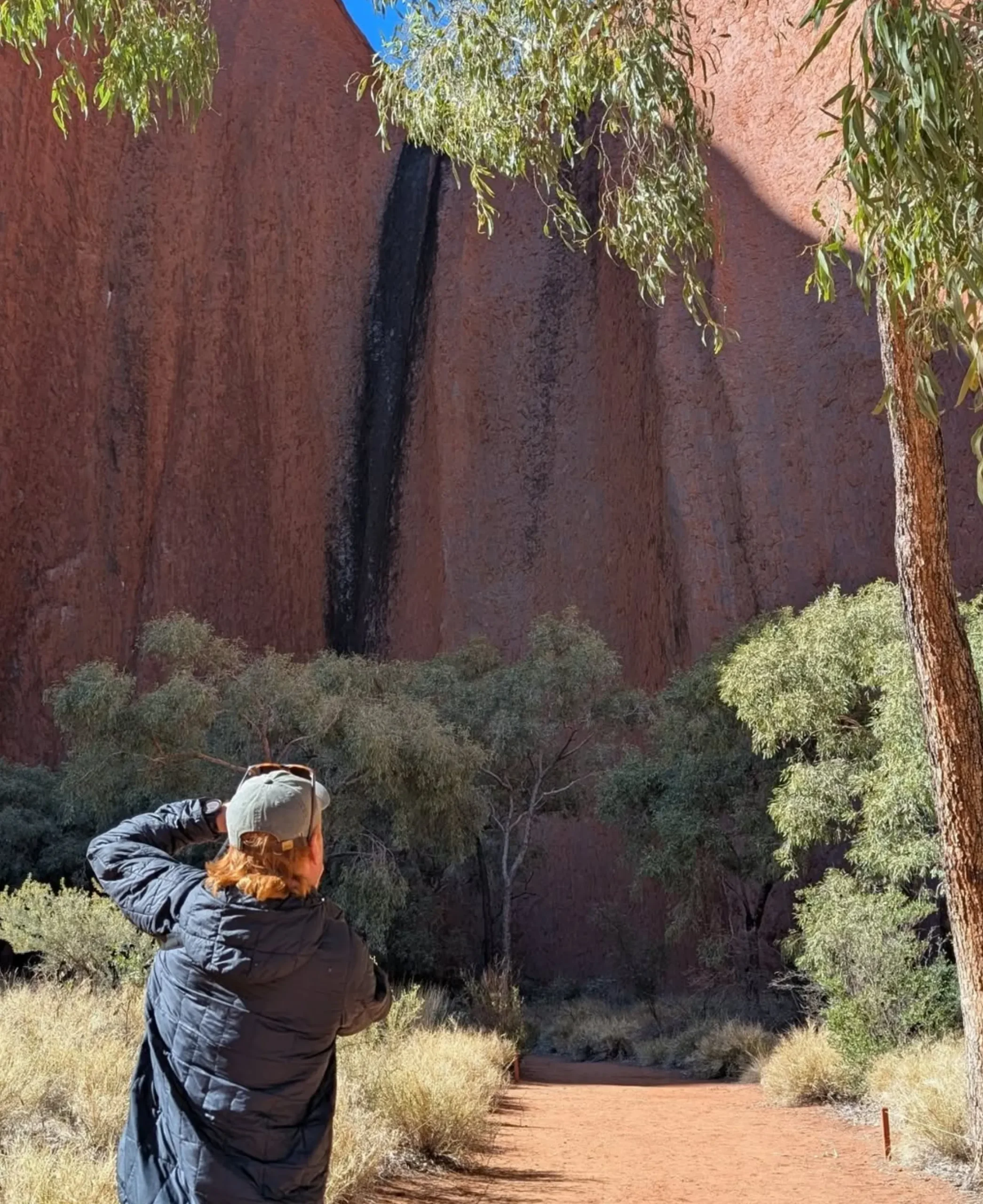
When you’re out and about at night, keep an eye out for native mammals like bilbies, dunnarts or even the odd rock wallaby. Wildlife in Outback Australia is easier to spot once the crowds have gone and the air has cooled. Warm, quiet clothing helps you blend in and not spook them.
Local Tour Operator Tips
Tour guides across the region — from small operators to big names — all say the same thing: layers. Wildlife Tours and Autopia Tours, for example, both remind guests on their 4-day Uluru tour to pack warm clothes even in summer.
Whether you’re joining an Uluru tour from Alice Springs or staying close to Yulara, you’ll be swapping sun hats for beanies by night. Many people book extended Uluru tours to do night camping and sunrise hikes, so clothing prep is even more important.
Morning After: Dawn Hikes and Sunrise Chill
Sunrise at Uluru is magic, but you’ll be standing around in the cold before first light. A warm jacket is essential. I’ve had groups turn up in shorts, teeth chattering, while waiting for the rock to glow. Don’t be that traveller — pack like you’re heading for a frosty footy match.
Quick Local Hacks for Night Comfort
- Fill a hot water bottle at the campground kitchen and chuck it in your swag.
- Keep a spare pair of socks just for bed — clean and dry.
- A buff doubles as a beanie or face cover when the wind whips up.
- Wool blankets weigh more than synthetic ones but breathe better in desert air.
- Tap into travel resources from Parks Australia for real-time weather updates.
Final Thoughts: Pack Smart, Travel Easy
Uluru teaches you to respect contrasts — hot days, cold nights, old stories beside new tourism. Dressing right is part of that respect. If you pack smart, you’ll be warm enough to enjoy the starlight on the rock, not your chattering teeth. Got your own nighttime hack for desert travel? Leave it in the comments — I’m always updating my field notes for fellow travel junkie readers who want to share their own experiences from the Red Centre.
FAQ
Can I wear shorts at night in Uluru?
No — mozzies and cold temps make pants the better choice. Light cotton or linen pants keep you cool without bites.
Do I need a heavy coat for Uluru in July?
Yes. Winter nights get down to zero. A warm coat, puffer or layered fleece is essential if you’re outside.
What shoes should I wear for evening tours?
Closed walking shoes or runners. The ground can be cold, uneven and sometimes damp from dew. Thongs won’t protect you.
Can I wear the same outfit for day and night in Uluru?
Not really. Day gear is all about sun protection and breathability; night is about warmth. Pack layers that can be changed easily.
Do I need gloves and a beanie?
In winter, yes. In autumn or spring, a light beanie makes nights more comfortable when sitting still.
 John Dickens
 Nick Lorens