

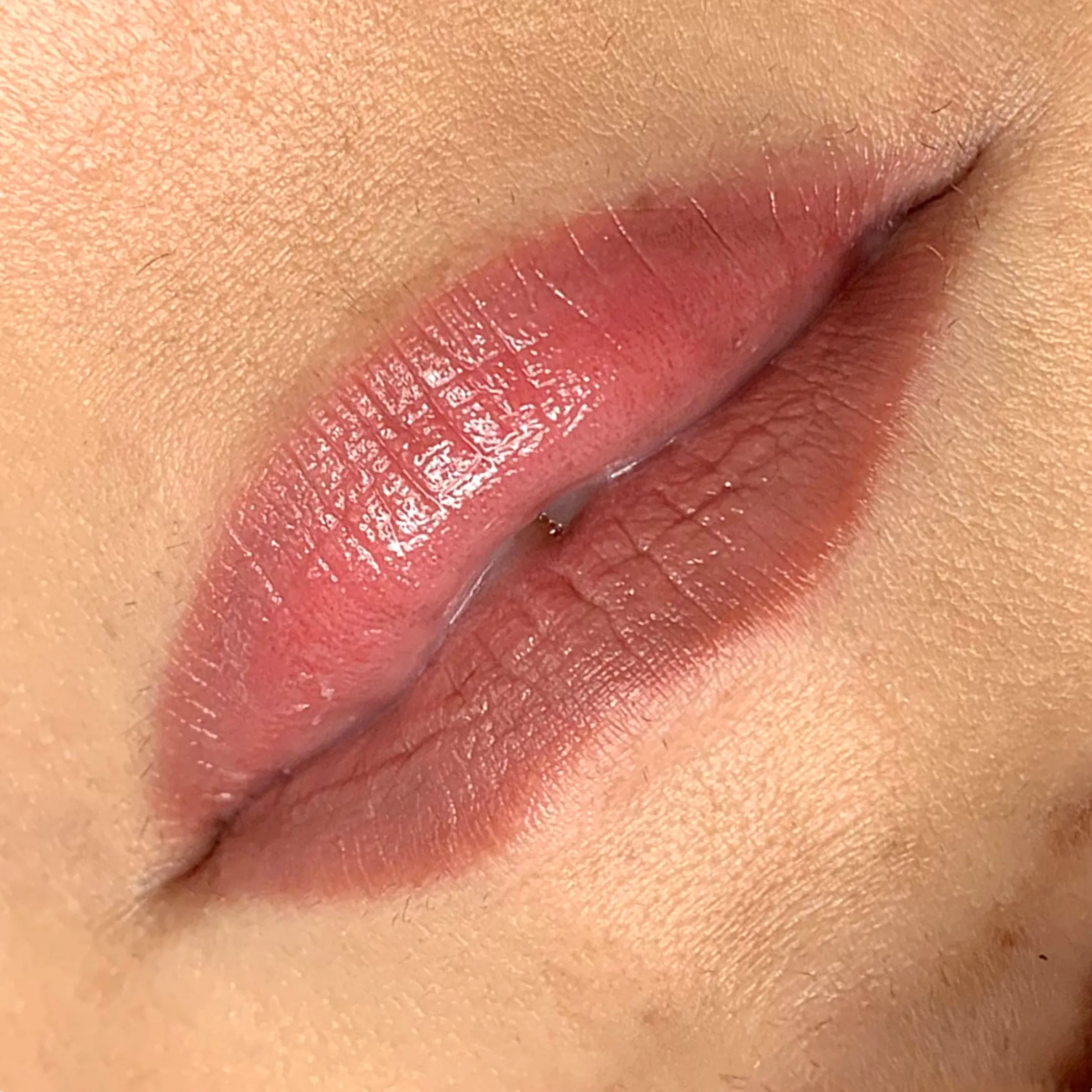
We’ve all seen those gorgeous lip blush photos on social media — smooth colour, perfect shape, and the promise of “wake up and go” lips. But what happens when things don’t go to plan? If you’ve found yourself wondering, what if lip blush goes wrong, you’re not alone — and you’re not helpless.
In this guide, we’re getting real about the risks, fixes and red flags — based on what we’ve seen firsthand at our Melbourne studio, Cosmetic Tattoo Studio Face Figurati. No filter, no fearmongering — just practical advice from pros who’ve corrected more botched lip tattoos than we can count. Whether you’re dealing with bad PMU pigments, complications from lip augmentation or failed dark lip neutralisation, this one’s for you. A poorly done lip blush tattoo doesn’t have to be permanent, but the correction needs care.
Contents
- 1 Red Flags to Watch For After Your Appointment
- 2 The Most Common Mistakes
- 3 What a Proper Correction Process Looks Like
- 4 How to Avoid a Lip Blush Disaster From the Start
- 5 Real Stories from the Studio
- 6 Honest Healing Expectations
- 7 When to See a Doctor vs. Your Artist
- 8 Final Thoughts: Knowledge Beats Regret
- 9 FAQ
Red Flags to Watch For After Your Appointment
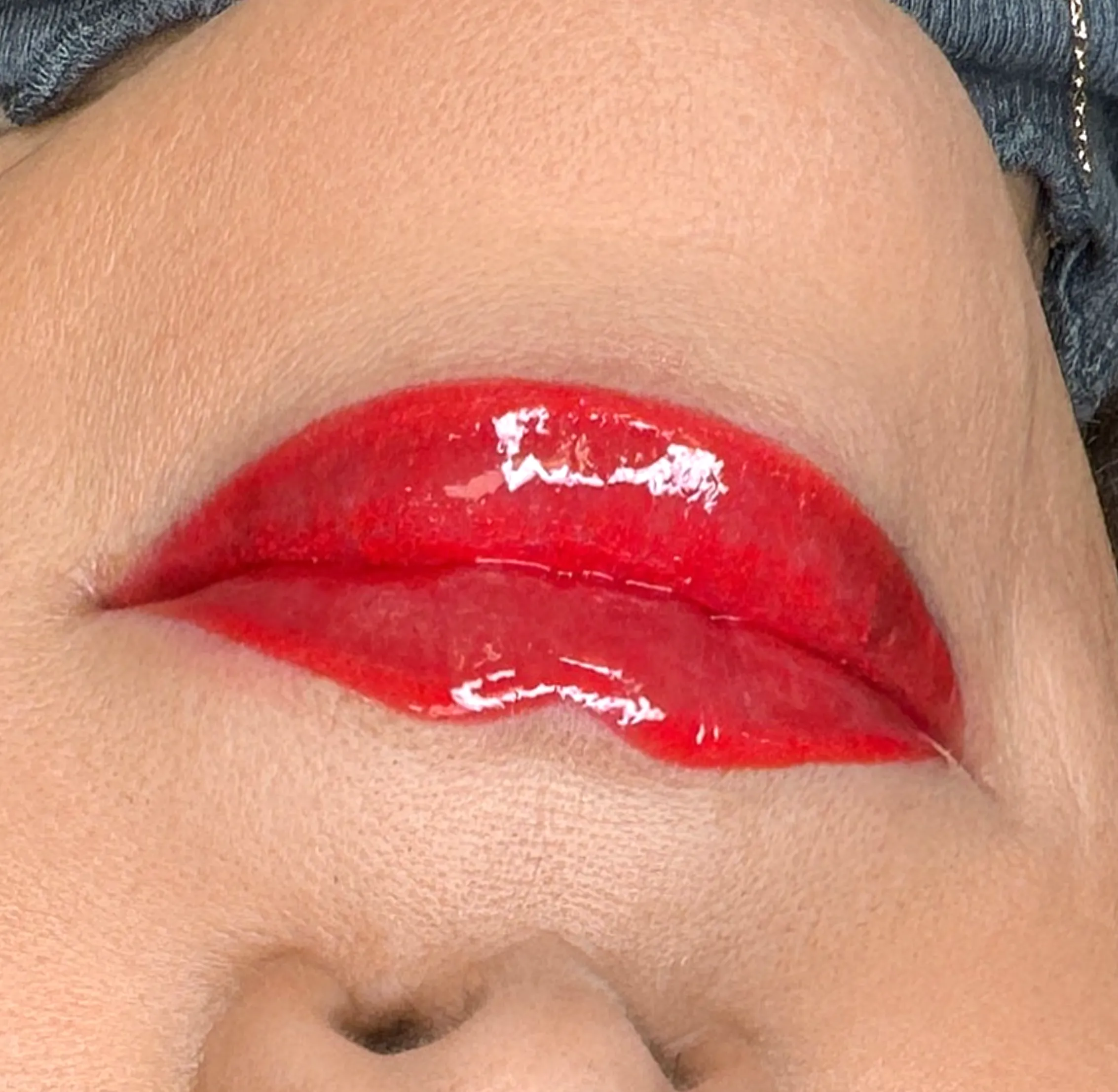
Things can feel off after your appointment, especially if you weren’t fully prepped or the artist didn’t meet the mark. Knowing what’s normal (and what’s not) can help you act early if something’s up.
Common post-treatment symptoms that are normal:
- Mild swelling for 24-48 hours
- Flaking or dry skin during healing (usually days 3-7)
- Slight unevenness in colour before the second session
- Presence of lymphatic fluid during early healing
Warning signs that something may have gone wrong:
- Excessive swelling after 48 hours
- Oozing pus or increasing pain (possible lip infection)
- Purple or grey pigment that looks cool-toned or bruised
- Keloid scars or hard bumps along the lip line
- Uneven pigment that doesn’t improve after healing
If any of these happen, get in touch with your cosmetic tattoo artist ASAP — and if they brush you off, it’s time to talk to someone more experienced in cosmetic tattoo correction or lip tattoo removal clinics.
The Most Common Mistakes
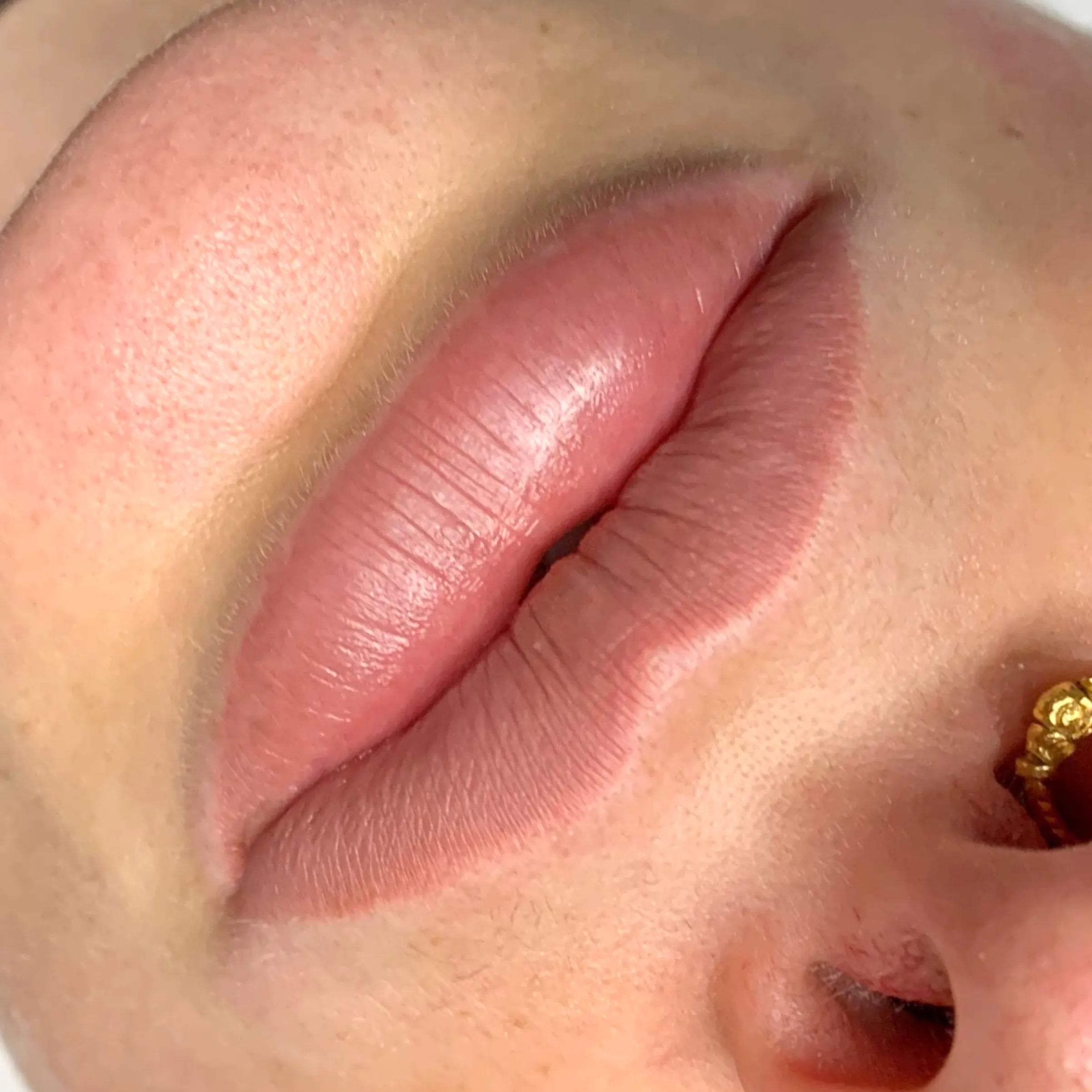
Even a semi-permanent tattoo can cause long-term issues when the wrong tools or techniques are used. Here’s what we see most often in lip tattooing:
- Over saturation of Colour
Too much pigment or the wrong colour, and the result can look cartoonish or blotchy. This is especially common when trying to neutralise darker lips without proper prep or understanding of colour correction techniques. If your lip tattoo looks too opaque or too dark, you’re probably dealing with this. - Migration Outside the Lip Border
If the cosmetic tattoo gun is pushed too deep or dragged too far, pigment can spread beyond the lip line, creating a shadowy, blurry effect that’s hard to treat without laser removal or saline removal methods. - Cold Sore Complications
Lip blushing can trigger cold sore outbreaks (thanks, herpes simplex virus). If not managed properly with antiviral medication, this can disrupt healing and cause pigment loss, lip stain blotching or scarring. - Allergic Reactions
Cheap PMU pigments or untested numbing medication can cause allergic reactions, from itching and burning to full-blown swelling. Always ask about a patch test beforehand. - Poor Technique or Lack of Training
Not every tattoo artist is qualified in cosmetic tattooing. Lip anatomy requires a different skill set than brows or liner. Inexperienced practitioners may misuse the electric PMU device, digital machine or needle cartridge, causing trauma or uneven colour gradient.
What a Proper Correction Process Looks Like
If you’re dealing with bad lip tattooing, don’t panic — but don’t rush into any cosmetic procedure without a plan. Here’s what a real correction process looks like, whether you’re considering saline lip blushing removal or light laser fading:
| Step | Action | Timeframe |
|---|---|---|
| 1 | Full assessment by a trained cosmetic lip tattooing expert | Immediately |
| 2 | Let the skin fully heal before any correction | 4–8 weeks (full healing) |
| 3 | Use saline solution or laser technology to lighten pigment | Over 2–4 sessions |
| 4 | Optional re-tattooing to restore the natural shape | 3+ months after initial appointment |
How to Avoid a Lip Blush Disaster From the Start
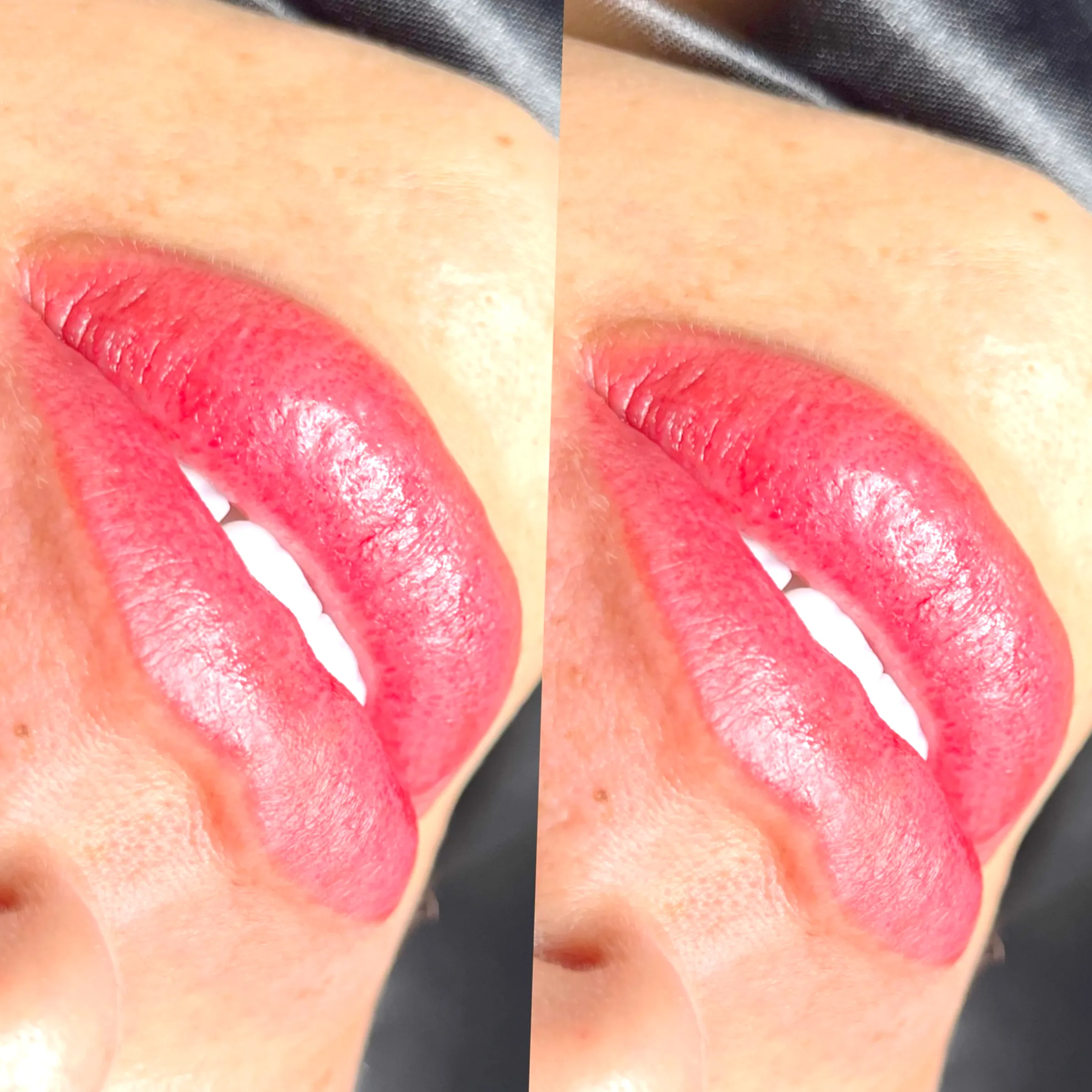
We love a good before-and-after, but prevention is even better. Here’s how to protect yourself:
- Research your artist: Look for healed Melbourne lip tattoo results, not just fresh ones.
- Check their training: Have they studied advanced cosmetic tattoo procedures and lip tinting techniques?
- Ask about tattoo pigments: Are they cosmetic-grade, sterile and fade evenly?
- Disclose your skin type, cold sores, or lip fillers: These impact the lip blushing process.
- Don’t price shop: A cheap semi-permanent makeup deal can turn into a costly correction.
Real Stories from the Studio
We once helped a client whose lip blush tattoo had migrated nearly 2mm outside her natural shape — it was done using an unregulated cosmetic tattoo technique in a nail salon. Through saline fading and lip tattoo correction, we restored her confidence.
Another client came in with pigment that healed blackish-blue due to the wrong cosmetic pigment being used on cool-toned skin. We corrected it with warm colour correction over multiple Touch-Up Sessions. She’s now enjoying soft pink tones that complement her tone, like a built-in tattoo lipstick effect she actually loves.
Honest Healing Expectations
A clear healing timeline helps reduce anxiety and shows when it’s time to see your artist or clinic.
- Week 1: Swelling, scabbing and dryness — apply recommended lip balm and don’t touch.
- Weeks 2-4: Patchy pigment and fading are part of the lip blushing process.
- Weeks 6-8: Colour stabilises. Book your Tattoo Appointment for a top-up if needed.
- Post-8 weeks: Talk to your lip blushing artist if adjustments are needed — shape adjustment or colour enhancement can be done safely now.
When to See a Doctor vs. Your Artist
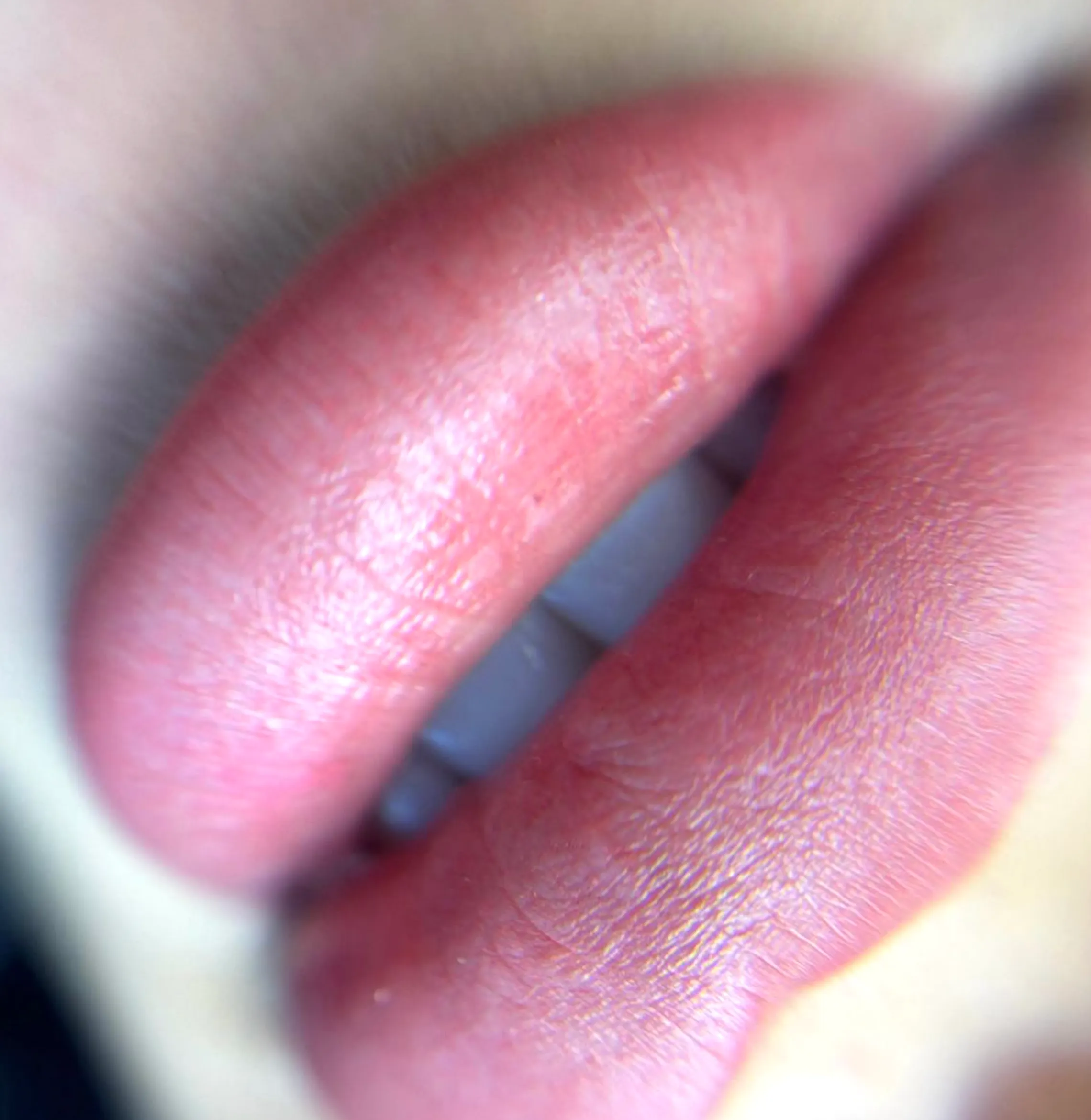
Not everything post-treatment is a cosmetic tattoo issue — sometimes it’s medical.
See your GP if:
- You notice signs of infection or worsening symptoms
- Cold sores reappear despite antiviral use
- You experience a suspected allergic reaction
See your artist if:
- You need a shape adjustment or mild fading correction
- You’re unsure if your colour gradient looks right
- You want to discuss lip tattoo removal options, like saline or laser
Final Thoughts: Knowledge Beats Regret
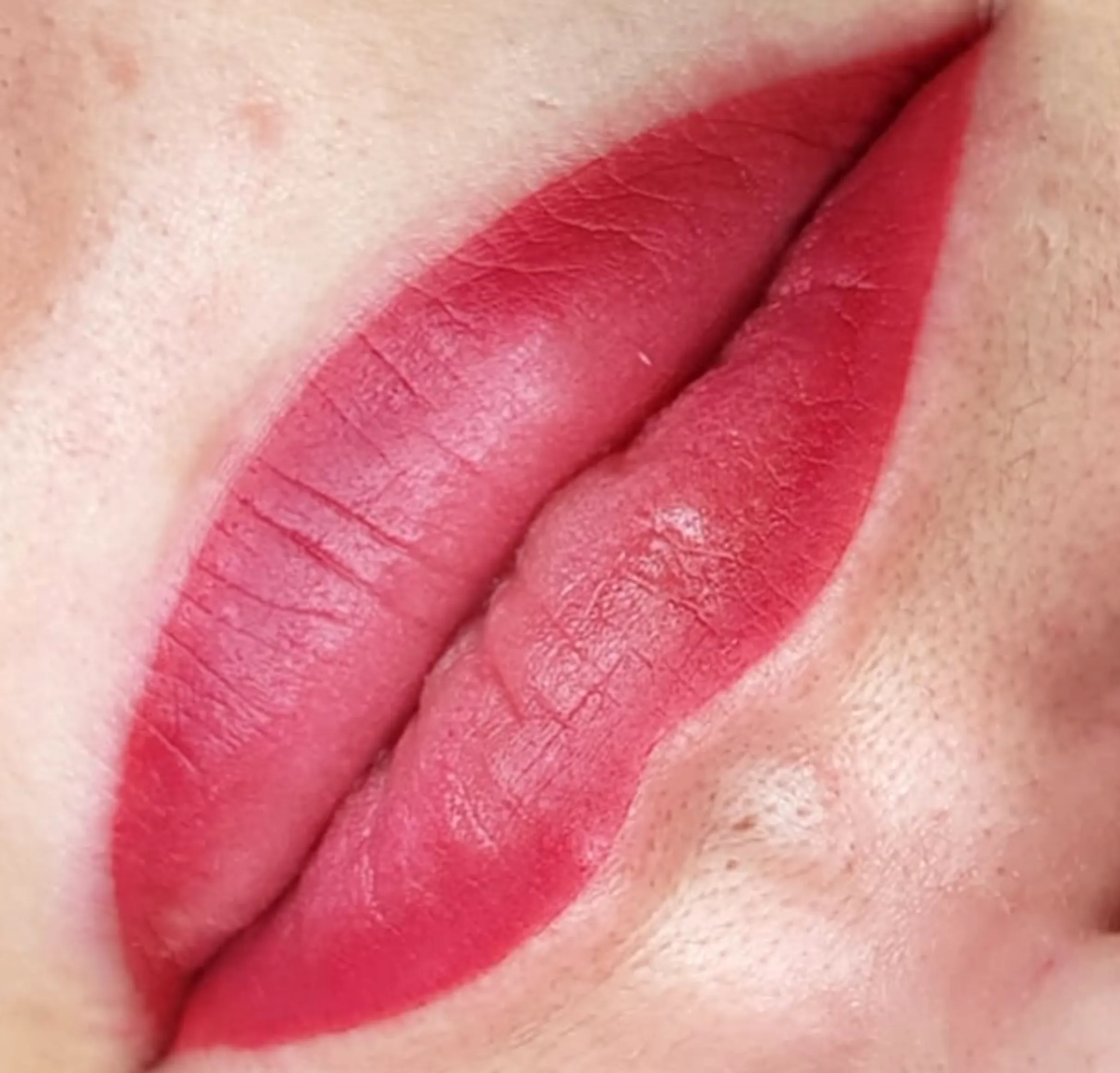
Permanent makeup should never feel like a gamble. Lip tattoos can be stunning — when done right. If you’re wondering what happens if lip blush goes wrong, remember you’ve got options: laser tattoo removal, saline fading, expert rework, or gentle correction.
Your best defence? Choosing trained professionals, asking about sterilised instruments and pigment safety, and understanding your skin type and healing behaviour. Always ask questions, get a patch test, and never rush a cosmetic procedure.
FAQ
Can bad lip blush be removed completely?
Yes. Lip tattoo removal can be done via saline solution, laser removal, or a combination. Always go to a clinic that specialises in cosmetic tattoo removal.
How long should I wait before fixing a bad lip blush tattoo?
Wait until full healing — typically 4–8 weeks — before considering correction or fading techniques.
Why did my lip blush turn blue or purple?
Incorrect PMU pigments or tattoo artist inexperience can cause poor results on certain skin types, especially during dark lip neutralisation.
Is it safe to get lip blush again after a botched job?
Yes, but only after healing and ideally from an artist who understands lip anatomy and correction techniques.
What should I do if I think my lip tattoo is infected?
Go to your GP. Lip infections need medical care to prevent serious scarring.
 John Dickens
 Nick Lorens